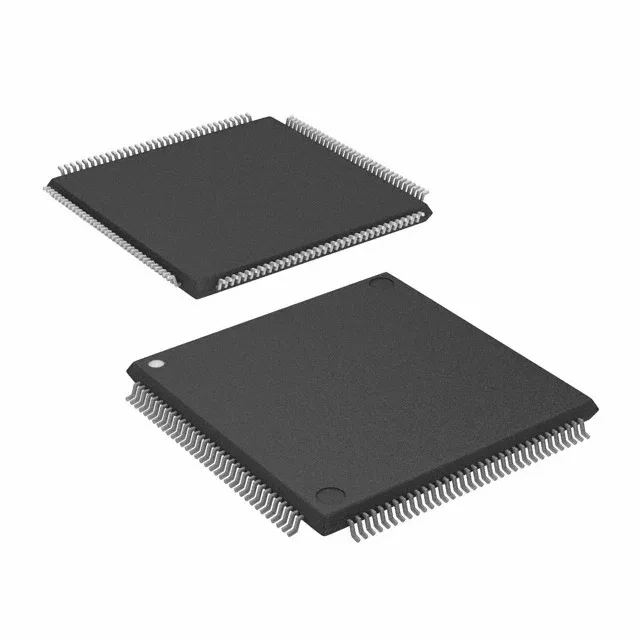
Intel EPM570T144A5N — FPGA / CPLD & Programmable Logic

EPM570T144A5N MAX II CPLD, 440 ô macro, 5,4 ns

MPNEPM570T144A5N
Active

Altera MAX® II CPLD, EPM570T144A5N, 570 phần tử logic, 440 ô macro, trễ tpd 5,4 ns, 116 chân I/O, vỏ 144-LQFP, nguồn nội 2,5V/3,3V, -40°C đến 125°C.

$69.0000Ref. price · indicative, final on quote
Independent supplier — new & surplus stockAuthenticity-screened · ESD-safe packingListing updated Aug 2026

Specifications

EPM570T144A5N specifications
ParameterValue
SeriesMAX® II
MountingSurface Mount
Programmable typeIn System Programmable
Voltage supply - internal2.5V, 3.3V
Operating temperature-40°C~125°C(TJ)
PackageTray
Number of i (O)116
Case144-LQFP
Number of macrocells440
Delay time tpd(1) max5.4 ns
Number of logic elements (Blocks)570

Product details

MAX II CPLD – logic kết nối (glue logic) bật tức thời, tiêu thụ thấp

Altera EPM570T144A5N là CPLD dòng MAX® II với 570 phần tử logic và 440 ô macro trong vỏ 144-LQFP. Thời gian trễ lan truyền 5,4 ns (tpd1) đủ nhanh cho giải mã địa chỉ, cầu nối bus và logic điều khiển trong các hệ thống không thể chấp nhận độ trễ khởi động của FPGA. Kiến trúc MAX II dùng cấu trúc bảng tra cứu (LUT) với cấu hình flash không bay hơi, nên linh kiện khi cấp nguồn đã sẵn sàng điều khiển I/O trong vòng vài micro giây — không cần bộ nhớ cấu hình ngoài.

Trễ 5,4 ns (tpd) – biên thời gian cho các đường logic tổ hợp

Thời gian trễ chân-đến-chân tối đa 5,4 ns (tpd1) đặt mức sàn tốc độ cho logic ghi (registered) và logic tổ hợp.

Frequently asked questions

What is the difference between EPM570T144A5N and EPM570T144C5N?

The difference is the temperature grade. The EPM570T144A5N is rated for -40°C to 125°C (industrial/automotive), while the EPM570T144C5N is the commercial-temperature variant (0°C to 70°C). All other specs — logic elements, macrocells, I/O, speed grade, package — are identical.

How to program the EPM570T144A5N with Quartus II?

The EPM570T144A5N is supported in Intel Quartus II software (version 13.0sp1 or later). Use the MAX II device family selection, assign the 144-LQFP package, and program via the JTAG interface using a Byte Blaster II or USB-Blaster cable. The device is in-system programmable and retains configuration in on-chip flash.