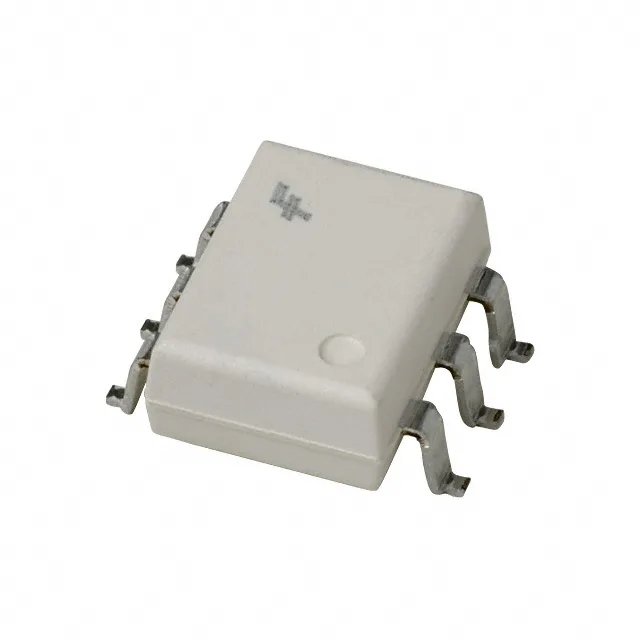
onsemi 4N26SR2M — Optoisolators

4N26SR2M Optoisolator - onsemi 4170Vrms Transistor Output

MPN4N26SR2M
Active

onsemi 4N26SR2M, single-channel optoisolator, DC input, transistor with base output, 4170Vrms isolation, surface-mount 6-SMD gull-wing package, -40°C to 100°C operating range.

$0.6700Ref. price · indicative, final on quote
Packaging6-SMD, Gull Wing
RoHSROHS3 Compliant
Independent supplier — new & surplus stockAuthenticity-screened · ESD-safe packingListing updated Aug 2026

Specifications

4N26SR2M specifications
ParameterValue
Input typeDC
Output typeTransistor with Base
MountingSurface Mount
Voltage - isolation4170Vrms
Voltage - output30V
Voltage - forward (Vf)1.18V
Current transfer ratio20% @ 10mA
Current - DC forward (If)60 mA
Operating temperature-40°C ~ 100°C
PackageTape & Reel (TR) Cut Tape (CT)
Case6-SMD, Gull Wing
Channels1
Vce saturation500mV
Turn on (Turn off time)2µs, 2µs

Product details

Isolation rating and where it fits on the board

The 4170Vrms isolation voltage is the headline spec — it's what qualifies this part for galvanic isolation between a low-voltage control side and a higher-voltage load side, like a PLC digital output driving a 24V relay or a motor contactor coil. That rating is a full 1.7kVrms above the 2500Vrms parts in the same package, so if your BOM calls for 4N26SR2M, it's because the creepage or test voltage requirement pushed you past the baseline opto. The DC input type means the LED is driven with a steady current — no AC line rectification on the primary side. The transistor output with base gives you access to the base node for external bias or speed-up networks, which matters if you're pushing the 2µs turn-on/turn-off times and need to tailor the switching threshold.

Temperature range and production status

The surface-mount 6-SMD gull-wing package is the reeled version of the standard 4N26 DIP, so pick-and-place lines handle it directly.

Sourcing and quoting for volume

For volume pricing and lead time, submit an RFQ with your target quantity and preferred delivery window. The part is active across multiple distribution channels, so competitive quotes are available — no single-source bottleneck to navigate.

Frequently asked questions

Is 4N26SR2M pin-compatible with the standard 4N26 DIP?

Functionally yes — same base number, same 1-channel transistor-with-base output, same 4170Vrms isolation. The difference is the package: the SR2M suffix is the surface-mount 6-SMD gull-wing variant, while the base 4N26 is a through-hole DIP-6. They are not footprint-compatible without a board layout change.

What is the closest functional second-source to 4N26SR2M?

The 4N25SR2M shares the same package, isolation voltage, switching speed, and temperature range. The primary difference is the current transfer ratio minimum — 4N26SR2M specifies 20% at 10mA, while 4N25SR2M has a different CTR floor. Check your application's minimum CTR requirement before swapping.