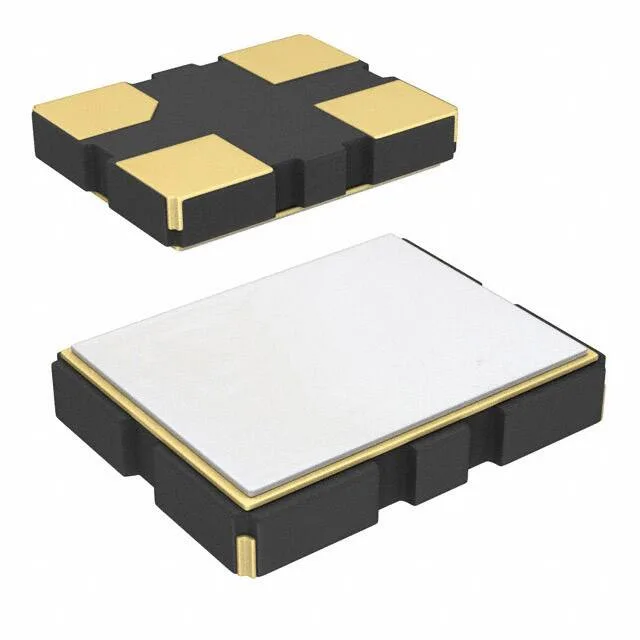
Abracon LLC ASEDV-19.200MHZ-LR-T — Crystals & Oscillators

ASEDV-19.200MHZ-LR-T by Abracon LLC, 19.2 MHz XO

MPNASEDV-19.200MHZ-LR-T
Active

Abracon LLC ASEDV XO (Standard), 19.2 MHz, HCMOS/LVCMOS output, 2.5 V supply, ±25ppm stability, -40°C~85°C, 4-SMD no-lead, enable/disable function.

Independent supplier — new & surplus stockAuthenticity-screened · ESD-safe packingListing updated Aug 2026

Specifications

ASEDV-19.200MHZ-LR-T specifications
ParameterValue
TypeXO (Standard)
SeriesASEDV
MountingSurface Mount
Voltage2.5V
Current - supply3mA
Current - supply (Disable)10µA
Frequency19.2 MHz
Frequency stability±25ppm
Operating temperature-40°C~85°C
Size (Dimension)0.126\" L x 0.098\" W (3.20mm x 2.50mm)
Height - seated0.047\" (1.20mm)
OutputHCMOS, LVCMOS
PackageBulk
FunctionEnable/Disable
Base resonatorCrystal
Case4-SMD, No Lead

Product details

19.2 MHz standard oscillator — what the ratings decide

The ASEDV-19.200MHZ-LR-T: The 19.2 MHz output at ±25ppm frequency stability puts this oscillator squarely in general-purpose timing duty — tight enough for UART clocks, USB fractional-N synthesis, and wireless SoC reference rails, but not a TCXO or OCXO where temperature drift matters more than cost. HCMOS and LVCMOS are both listed as outputs — the part drives standard logic thresholds at 2.5 V VDD, so it feeds a 2.5 V MCU ortranslator input directly without level-shifting. The enable/disable pin is the practical feature here: drawing 3 mA when oscillating and dropping to 10 µA when disabled, the oscillator lets the firmware gate the reference rail on a power-cycled peripheral without a separate LDO switch. Rated -40°C to 85°C — the industrial temperature band covers outdoor enclosures and motor-drive cabinet environments where a commercial 0-70°C part would run out of margin.

Frequently asked questions

Where can I source ASEDV-19.200MHZ-LR-T and get a quote?

ASEDV-19.200MHZ-LR-T is an active Abracon part — quoted to order through independent distribution against your BOM quantity, with availability and current lead times confirmed at RFQ.

What does the enable/disable function mean for power budget?

The oscillator draws 3 mA nominal when enabled and drops to 10 µA maximum when disabled — the disable pin lets firmware kill the reference clock on a sleeping peripheral without removing VDD, cutting the module's idle current from milliamps down to microamps.