MEMS oscillator — why the resonator type matters for your clock tree
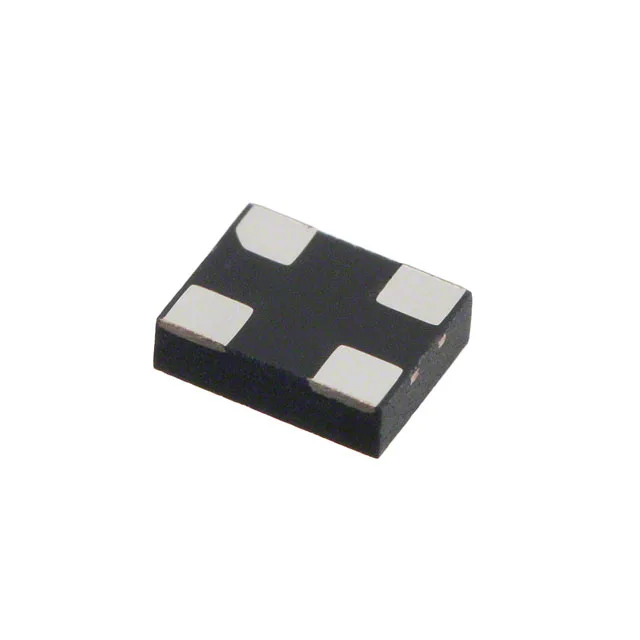
The ASEMB-8.000MHZ-LY-T: MEMS oscillators tolerate shock and vibration far better than crystal-based XOes — a critical distinction in motor-drive enclosures, portable instruments, or any design subject to mechanical stress. They also have no warm-up drift in the traditional sense; the resonator starts and locks quickly, so the clock is valid sooner after power-on.
8 MHz at ±10ppm across the industrial temperature window
Rated 8 MHz with ±10ppm frequency stability — that is the tightest grade in the ASEMB datasheet hierarchy. In a UART running at 115200 baud, that is sub-bit-error at room temperature and well within tolerance even as the enclosure heats up.
Supply rail and power-down behaviour
When the standby pin is asserted the oscillator draws a maximum of 15 µA, which is low enough for sleep-mode clock domains in microcontrollers that gate their own clock. The active supply current ceiling is 16 mA — confirm the rail can source that transient without droop, especially in layouts with long VDD traces.