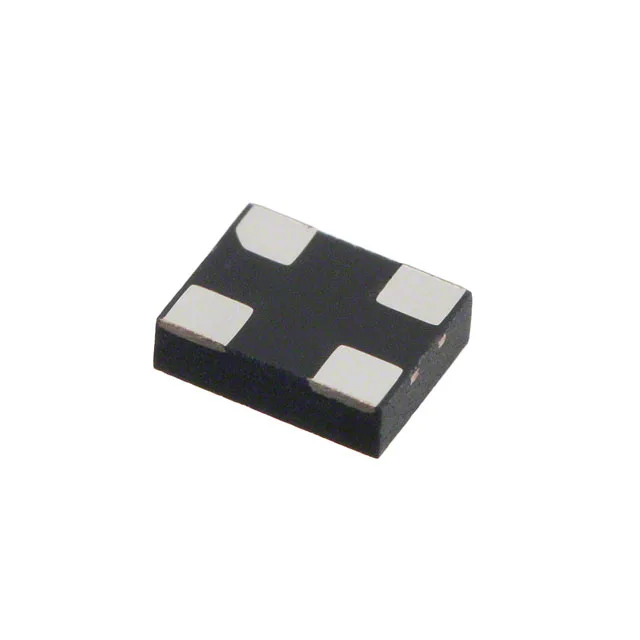
What the ASEMB MEMS oscillator is and why it belongs in this slot
The ASEMB-29.4912MHZ-LC-T: Its 29.4912 MHz output is a common UART and serial-comm baud-clock multiple, so the frequency is a deliberate selection, not a generic rounding. The MEMS resonator replaces the traditional quartz element: the startup tolerance and initial frequency accuracy are still the crystal's job, but MEMS brings faster startup and better shock resistance, which matters in any product that sees handling drops or thermal cycling in the field.
Supply rail and power budget — 1.8 to 3.3 V covers the full 3.3 V logic family
Draw is 16 mA maximum in normal operation and drops to 15 µA when the standby pin is asserted — the 15 µA floor is low enough that the oscillator can remain in power-down during long idle cycles without dominating the system sleep current budget. The standby (power-down) function lets the system clock gate itself off at the board level rather than relying on the MCU to manage the output, which is useful for multi-clock-domain designs where the oscillator clocks a peripheral that runs independently of the main core. When the MCU exits sleep, the oscillator wakes faster than a quartz startup would allow — the MEMS resonator achieves stable oscillation in under a millisecond.