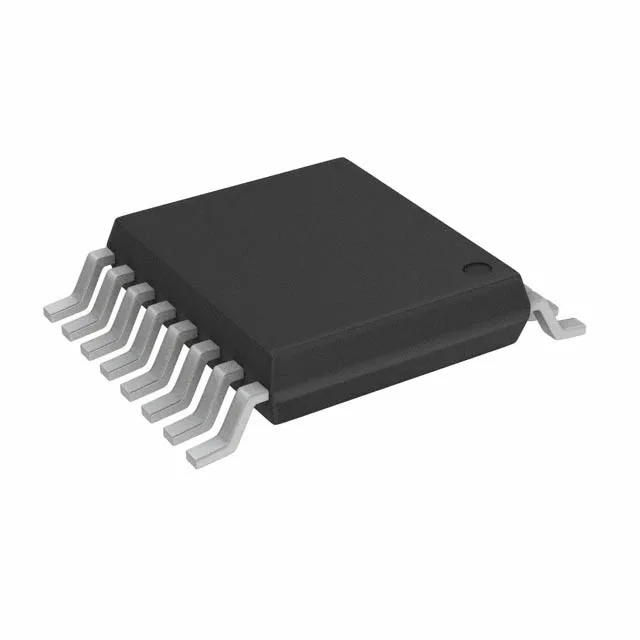
NXP Semiconductors PCA6408APW,118 — Memory (DRAM / SRAM / Flash / EEPROM)

NXP PCA6408APW,118 I²C I/O Expander, 8-bit, 16-TSSOP

MPNPCA6408APW,118
End of Life

NXP Semiconductors PCA6408APW,118 I²C/SMBus I/O expander, 8-bit, 1.65-5.5V supply, 400 kHz, 16-TSSOP, Tape & Reel.

$1.6Ref. price · indicative, final on quote
Packaging16-TSSOP (0.173", 4.40mm Width)
RoHSROHS3 Compliant
Sourced new & surplus through independent channelsAuthenticity-screened · ESD-safe packingListing updated Aug 2026

Specifications

PCA6408APW,118 specifications
ParameterValue
Output typePush-Pull
MountingSurface Mount
Voltage1.65V ~ 5.5V
Current - output source (Sink)10mA, 25mA
Frequency400 kHz
InterfaceI²C, SMBus
Operating temperature-40°C ~ 85°C
PackageTape & Reel (TR); Cut Tape (CT)
FeaturesPOR
Number of i (O)8
Case16-TSSOP (0.173\", 4.40mm Width)
Interrupt outputYes

Product details

8-bit I/O expansion over a two-wire bus

The PCA6408APW,118 is an 8-bit I/O expander from NXP that extends a host controller's GPIO count over an I²C or SMBus interface running at up to 400 kHz.

Output drive and interrupt handling

Each I/O pin can sink 25 mA or source 10 mA, enough to directly drive an LED indicator or a small relay coil through a series resistor without a buffer transistor. The push-pull output type eliminates the need for external pull-up resistors on the port pins, simplifying the BOM for output-only applications. A dedicated interrupt output (INT) signals the host when an input changes state, so the controller does not have to poll the expander continuously — useful in battery-powered or latency-sensitive designs. The POR (Power-On Reset) feature ensures all registers initialize to a known state at power-up, preventing spurious outputs during supply ramp.

The part is ROHS3 Compliant, meeting the latest EU restriction-of-hazardous-substances directive for lead-free assembly.

Frequently asked questions

What compliance documentation does NXP provide for PCA6408APW,118?

NXP lists the PCA6408APW,118 as ROHS3 Compliant. Standard documentation includes the datasheet and RoHS declaration of compliance.