What the 2 A RMS rating means for your load
The BTA202X-800E,127 is rated for 2 A RMS continuous on-state current — this is the thermal limit in free air with the TO-220F isolated tab bolted to a heatsink. For a resistive load like a heater or incandescent lamp, the RMS current matches the average; for an inductive load like a small motor or solenoid valve, derate to about 1.6 A to stay within the junction temperature ceiling at 125 °C. The 800 V off-state voltage gives headroom for 230 VAC mains switching — the peak of a 230 V sine wave is 325 V, well inside the 800 V rating. This also covers the 400 VAC line in three-phase systems when the triac is used phase-to-phase.
Sensitive gate — why 10 mA trigger matters
With a maximum gate trigger current of 10 mA, this triac qualifies as logic-level or sensitive-gate type — it can be driven directly from a microcontroller I/O pin through a current-limiting resistor, without a separate driver transistor. The 1.5 V max gate trigger voltage means a 3.3 V or 5 V logic output has enough margin to turn it on reliably. The 12 mA maximum holding current means the triac stays latched once triggered as long as the load current stays above that threshold. For very light loads below 12 mA — like an LED indicator in series with the triac — the device may drop out mid-cycle, so a dummy load or snubber network may be needed.
Surge handling and package for panel assembly
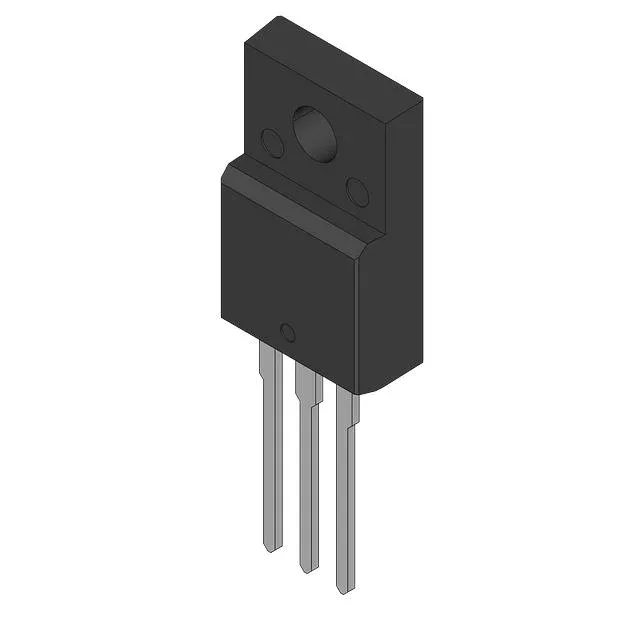
The non-repetitive surge current rating is 14 A at 50 Hz and 15.4 A at 60 Hz — this covers the inrush from a cold incandescent filament or a motor start. The TO-220F full-pack isolated tab means the metal tab is electrically isolated from the die, so you can bolt it directly to a grounded heatsink or chassis without an insulating pad or washer. Through-hole mounting in the TO-220-3 footprint is breadboard- and perfboard-friendly — the 0.100-inch pitch matches standard prototyping grids. The isolated tab also simplifies layout in a crowded control panel where clearance to adjacent components is tight.