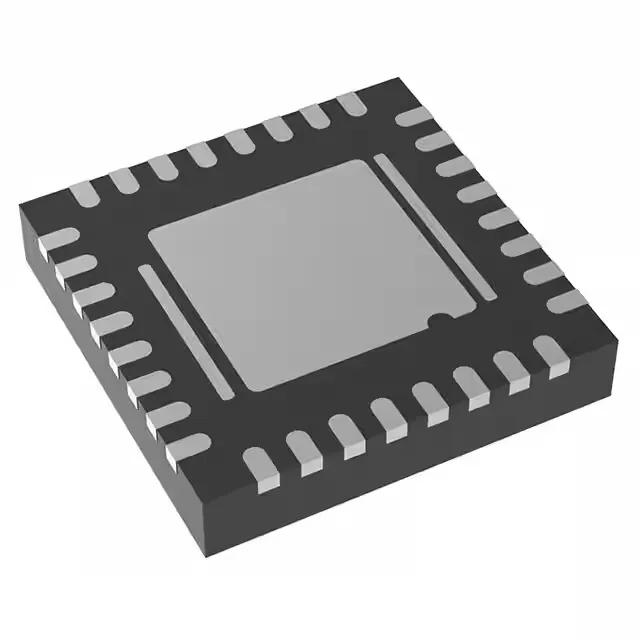
Analog Devices ADIN1200CCP32Z — Sensors & Transducers

ADIN1200CCP32Z Ethernet PHY Transceiver 10/100 Mbps -

MPNADIN1200CCP32Z
End of Life

Analog Devices ADIN1200CCP32Z Ethernet PHY transceiver, IEEE 802.3 compliant, full/half duplex, 10/100 Mbps, MII/RMII interface, 32-LFCSP (5x5) exposed pad, -40°C to 105°C industrial temperature range.

$4.3Ref. price · indicative, final on quote
Packaging32-WFQFN Exposed Pad, CSP
RoHSROHS3 Compliant
Independent supplier — new & surplus stockAuthenticity-screened · ESD-safe packingListing updated Aug 2026

Specifications

ADIN1200CCP32Z specifications
ParameterValue
TypeTransceiver
MountingSurface Mount
Voltage1.71V ~ 1.89V, 2.25V ~ 2.75V, 3.14V ~ 3.46V
ProtocolEthernet, IEEE 802.3, MII, RMII, PHY2
Operating temperature-40°C ~ 105°C (TA)
DuplexFull, Half
PackageTray
Data rate10Mbps, 100Mbps
Case32-WFQFN Exposed Pad, CSP
Number of drivers (Receivers)4/4

Product details

Ethernet PHY for industrial 10/100 links

The ADIN1200CCP32Z is an IEEE 802.3-compliant Ethernet PHY transceiver supporting 10 Mbps and 100 Mbps data rates over twisted-pair or fiber. It operates in full or half duplex and provides MII and RMII interfaces to the MAC layer.

Interface and supply rails

The transceiver integrates four drivers and four receivers, supporting both MII and RMII protocols — RMII halves the pin count to the MAC, freeing GPIO on smaller controllers. Three independent supply domains are required: 1.71V to 1.89V for core, 2.25V to 2.75V for I/O, and 3.14V to 3.46V for the analog PHY. This split-rail architecture isolates digital switching noise from the analog front end.

It is ROHS3 compliant.

Surface-mount assembly is straightforward; the LFCSP requires no special reflow profile beyond typical lead-free solder paste.

Frequently asked questions

Is ADIN1200CCP32Z obsolete or still active?

It is active. No end-of-life notification has been issued by Analog Devices, and the part is available for new designs.

Does ADIN1200CCP32Z support RMII interface?

Yes, it supports both MII and RMII protocols. RMII uses a 50 MHz reference clock and reduces the MAC interface from 16 to 8 pins.