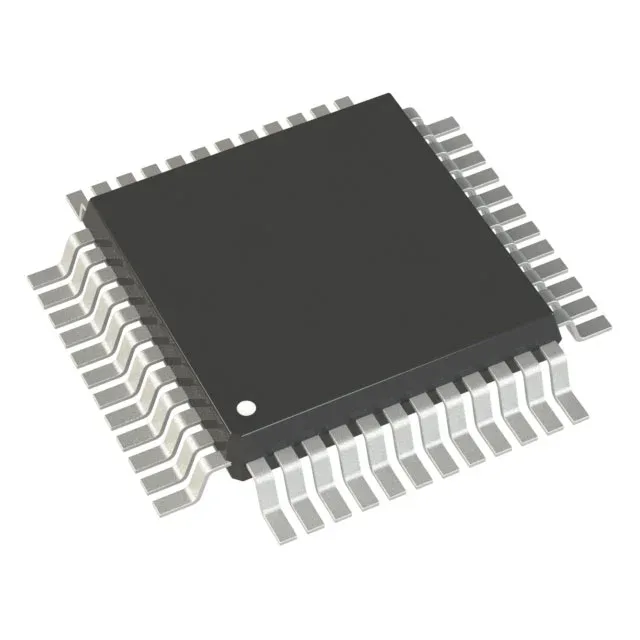
STMicroelectronics STM8S005K6T6C — Microcontrollers & Processors (MCU / MPU / DSP)

STM8S005K6T6C STM8S 8-bit MCU, 32 KB Flash, 16 MHz, 32-LQFP

MPNSTM8S005K6T6C
Active

STMicroelectronics STM8S series, STM8S005K6T6C, 8-bit MCU, 32 KB Flash, 2K x 8 RAM, 16 MHz, 2.95V-5.5V, 25 I/O, I2C/SPI/UART, A/D 7x10b, -40°C to 85°C, 32-LQFP.

$2.4400Ref. price · indicative, final on quote
Packaging32-LQFP
RoHSROHS3 Compliant
SeriesSTM8S
Independent supplier — new & surplus stockAuthenticity-screened · ESD-safe packingListing updated Aug 2026

Specifications

STM8S005K6T6C specifications
ParameterValue
SeriesSTM8S
MountingSurface Mount
Oscillator typeInternal
Program memory typeFLASH
Voltage - supply (Vcc (Vdd))2.95V ~ 5.5V
Operating temperature-40°C ~ 85°C (TA)
Speed16MHz
PackageTray
RAM size2K x 8
Core size8-Bit
EEPROM size128 x 8
PeripheralsBrown-out Detect/Reset, POR, PWM, WDT
ConnectivityI2C, IrDA, LINbus, SPI, UART/USART
Number of i (O)25
Core processorSTM8
Case32-LQFP
Data convertersA/D 7x10b
Program memory size32KB (32K x 8)

Product details

What the 16 MHz core and 32 KB Flash mean for your BOM

The 16 MHz clock is enough for control loops, sensor polling, and serial communication at moderate baud rates — think fan or pump motor control, keypad interfaces, or simple IoT edge nodes that don't need a 32-bit core. The 32 KB Flash (32K x 8) holds a modest firmware image; if your application already fits in 16 KB, this part gives headroom for feature additions without a die shrink.

The peripheral list includes I2C, SPI, UART/USART, and LINbus for automotive networks, plus a 7-channel 10-bit ADC. The 25 I/O pins in the 32-LQFP package give enough flexibility for a keypad matrix, a few LED indicators, and a serial debug header.

Frequently asked questions

Is STM8S005K6T6C compatible with STM8S003K3?

Both are 8-bit STM8S devices, but the STM8S005K6T6C offers 32 KB Flash versus the STM8S003K3's 8 KB, and has 25 I/O in a 32-LQFP package versus the smaller footprint. Pin compatibility is not guaranteed without checking the respective datasheets — the peripheral set and memory map differ, so firmware migration requires a porting effort.