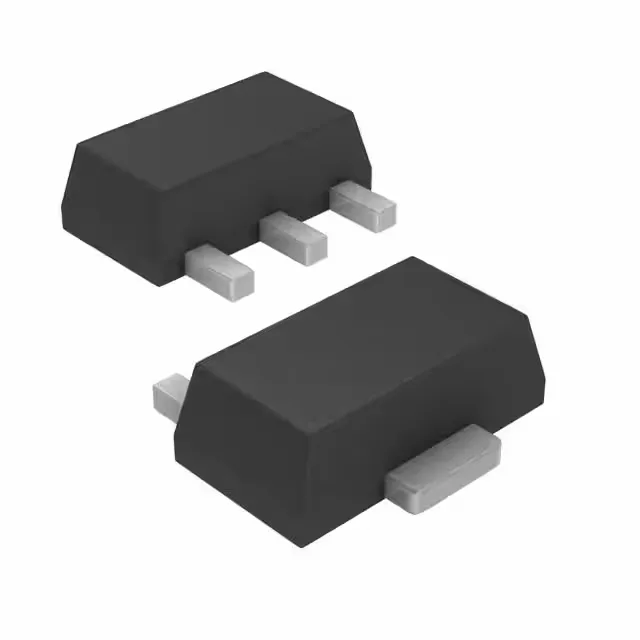
12V fixed rail for sensor and MCU bias
The ROHM BDJ2FA1FP3-ZTL is a single-output positive linear regulator delivering a fixed 12V at up to 100mA. That 12V rail is a common bias supply for analog front-ends, relay coils, or the input stage of a downstream 5V or 3.3V regulator in a multi-rail design.
Dropout and quiescent current — the real-world limits
Maximum dropout is 3V at the full 100mA load. That means the input must stay above 15V to keep the output at 12V under load — a 12V battery near discharge (say 11.5V) will not regulate cleanly. For lower-drop applications, a different LDO with a lower Vdo is needed. Quiescent current is 600 µA maximum. That is moderate — fine for always-on industrial control, but too high for a battery-powered sensor node that sleeps for months. The part draws this Iq even at no load, so factor it into the standby budget. Operating temperature range is -25°C to +85°C ambient. This covers most indoor industrial and commercial gear but does not reach the -40°C cold crank or +105°C under-hood automotive band. If the board sees a freezer or engine bay, look for an AEC-Q100 graded part.
Active production, SOT-89-3 package, hand-solderable
The package is TO-243AA (SOT-89-3), a three-lead surface-mount package with a large tab for heat sinking. The 0.50 mm pitch and exposed pad are hand-solderable with a fine-tip iron or hot air — no reflow oven required for prototypes or small runs. Protection features include over-current limiting. There is no thermal shutdown listed, so the board layout must provide adequate copper area on the tab pad to keep junction temperature within limits at full load.