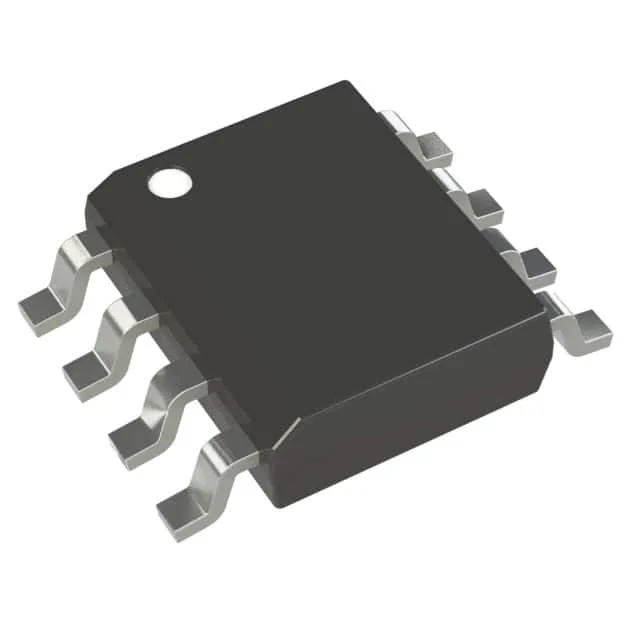
Microchip Technology 93LC46CT-I/SN — Memory (DRAM / SRAM / Flash / EEPROM)

Microchip 93LC46CT-I/SN EEPROM, 1Kbit Microwire, 3 MHz

MPN93LC46CT-I/SN
Active

Microchip 93LC46CT-I/SN, 1Kbit EEPROM, Microwire interface, 3 MHz clock, 2.5V~5.5V supply, 8-SOIC package, -40°C to 85°C operating temperature.

$0.3300Ref. price · indicative, final on quote
Packaging8-SOIC (0.154", 3.90mm Width)
RoHSROHS3 Compliant
Independent supplier — new & surplus stockAuthenticity-screened · ESD-safe packingListing updated Aug 2026

Specifications

93LC46CT-I/SN specifications
ParameterValue
Memory typeNon-Volatile
MountingSurface Mount
Voltage2.5V ~ 5.5V
Frequency3 MHz
Memory interfaceMicrowire
Operating temperature-40°C~85°C(TA)
PackageTape & Reel (TR); Cut Tape (CT)
TechnologyEEPROM
Memory size1Kbit
Memory formatEEPROM
Case8-SOIC (0.154\", 3.90mm Width)
Memory organization128 x 8, 64 x 16
Write cycle time - word, page6ms

Product details

What this 1Kbit Microwire EEPROM brings to the board

The Microchip 93LC46CT-I/SN is a 1Kbit serial EEPROM using the Microwire interface — a three-wire bus (clock, data in, data out) that is simple to bit-bang from any microcontroller. It stores 128 x 8 or 64 x 16 bits, selectable by the ORG pin, so you can match the word width to your firmware's data structure without extra glue. The 3 MHz clock rate keeps read bursts snappy for calibration tables or serial numbers.

Field-swap note

If you are replacing this on site, the 8-SOIC body is 3.90 mm wide — fits the usual SOIC-8 footprint. No special ESD precautions beyond the standard wrist strap; the Microwire interface is tolerant enough that a brief misorientation on the first try usually does not latch up. Write cycle time is 6 ms per word or page, so after programming, wait that long before reading back to confirm the data stuck.

Frequently asked questions

Is 93LC46CT-I/SN obsolete or end-of-life?

It is safe for new designs.

Is 93LC46CT-I/SN compatible with 93LC46B?

The 93LC46BXT-I/SN is a 2 MHz variant with the same 64 x 16 organization, same temperature range, and same 8-SOIC package. The main difference is clock speed: 3 MHz on the CT vs 2 MHz on the BXT. If your bus timing can tolerate the slower clock, the BXT is a drop-in alternative.