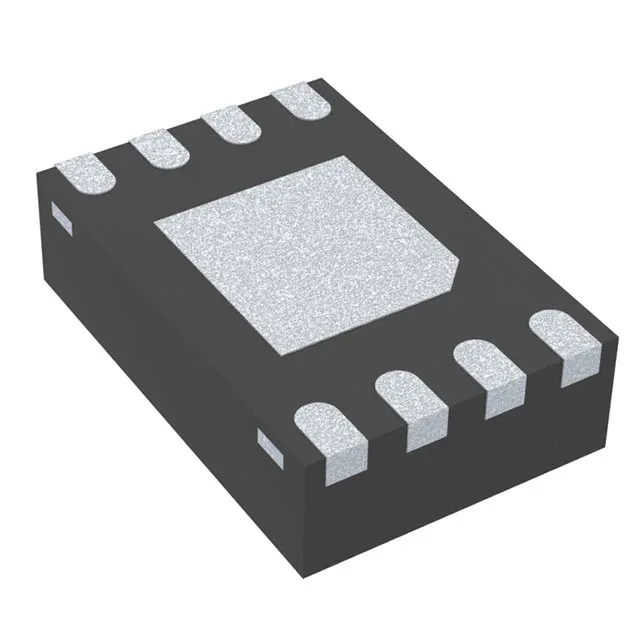
93C66CT-I/MC — 4Kbit Serial EEPROM with Microwire Bus
The Microchip 93C66CT-I/MC is a 4Kbit serial EEPROM accessed through a 3 MHz Microwire interface, organized as 512 bytes (x8) or 256 words (x16) selected by the ORG pin.
3 MHz clock — throughput for the Microwire bus
At 3 MHz the serial clock period is roughly 333 ns, so a full 16-bit word read takes about 5.3 µs plus the 2 ms write cycle. That write cycle time (2 ms word or page) is the throughput bottleneck for any EEPROM in this class — the 3 MHz clock keeps the read side fast enough that the write latency dominates. If your application streams configuration data or logs small records, budget around the write time, not the clock.
Memory organization — byte or word mode
The ORG pin selects between 512 x 8 (byte mode) and 256 x 16 (word mode). In byte mode the address field is 9 bits; in word mode it is 8 bits. This is a board-level decision — if the host microcontroller's Microwire controller expects 8-bit data, tie ORG low; if it expects 16-bit transfers, tie ORG high. The same part serves both bus widths without a second inventory line.
Supply rail — 5V only, not 3.3V
It will not operate at 3.3V. If your design has moved to a 3.3V system bus, you need the 93C66C variant with a wider supply range or a different family. For 5V legacy buses — older PLCs, industrial I/O cards, automotive body controllers still on a 5V rail — this is the right drop-in.
Package and footprint — 8-DFN with exposed pad
The 8-VFDFN exposed-pad package (2 mm x 3 mm body, 0.5 mm pitch) is a compact surface-mount footprint.