1Kbit Microwire EEPROM — the 5V-only serial NVM for calibration data
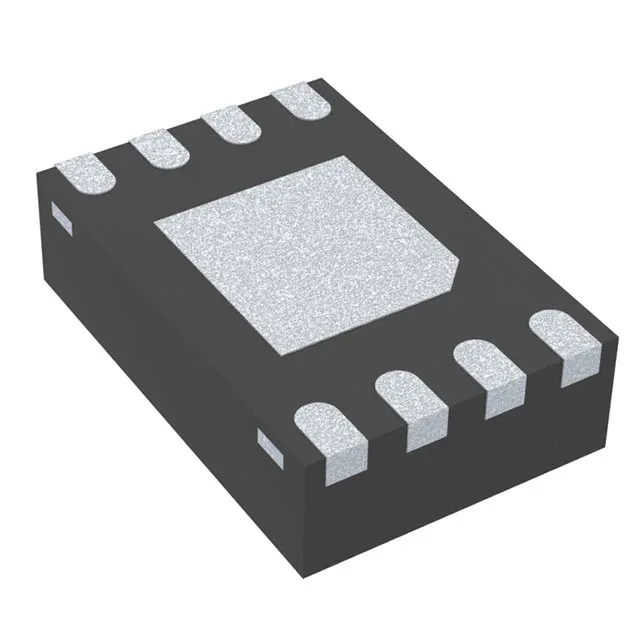
The Microchip 93C46AT-I/MC is a 1Kbit serial EEPROM using the Microwire bus, organized as 128 x 8 bits. It runs at a 2 MHz clock rate and writes a word or page in 2 ms. The supply range is 4.5V to 5.5V — this is a 5V-only part, so do not plan a 3.3V rail drop-in without a level translator or regulator. Housed in an 8-VFDFN with exposed pad (2x3 mm body), it takes up minimal board area but needs a proper thermal-via stitch under the pad if the ambient runs hot.
Why the 5V supply rail matters for your BOM
A common mistake is assuming this part works at 3.3V because many serial EEPROMs are dual-supply. The 93C46AT-I/MC is not — its minimum supply is 4.5V. If your design runs a 3.3V core, you either add a 5V rail and a level shifter for the Microwire lines, or pick a different EEPROM. The 5V-only constraint also means higher noise immunity on long bus traces, which helps in electrically noisy environments like motor drives.
ROHS3 compliance is confirmed, so it passes the typical EU/UKCA restriction requirements without an exemption certificate.
Package and footprint — 8-DFN with exposed pad
The 8-VFDFN exposed-pad package measures 2x3 mm (supplier device package 8-DFN).
Microwire interface — what the 2 MHz clock means
Microwire is a three-wire serial bus (SI, SO, SK) with a dedicated chip-select. The 2 MHz clock rate yields a 500 ns cycle per bit, so reading the full 1Kbit array takes about 512 µs for the data plus overhead. That is fast enough for power-up calibration reads or configuration fetch at boot. The 2 ms write cycle per word/page is the limiting factor if you are updating many bytes in a loop — plan for a write-completion poll or a timing delay.