16 Mbit, 10 ns — the fit decision for a parallel SRAM line
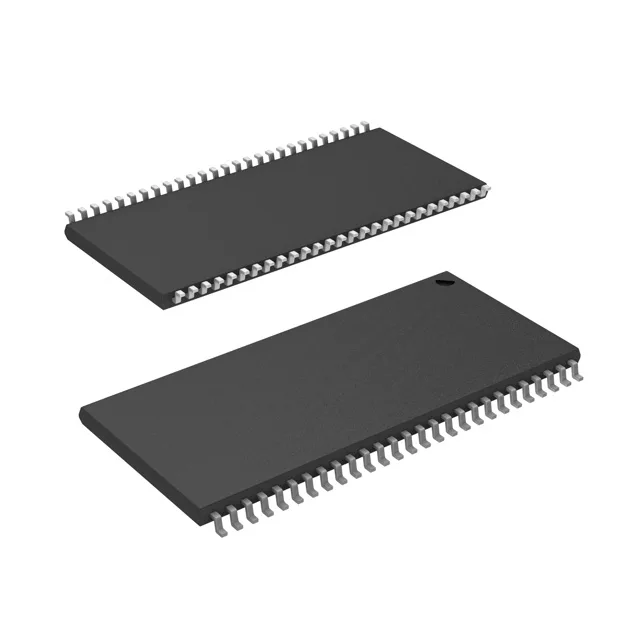
The CY7C1061G30-10ZSXIT: The 1M x 16 organization means it replaces two 8-bit-wide parts on a 16-bit data bus, saving board area and reducing the part count. The 54-TSOP II package (0.400" body width, 10.16 mm) is the standard footprint for this density class; the 0.50 mm pin pitch demands a controlled-impedance layout on the data lines if the bus runs above 50 MHz.
Active production, ROHS3 — no LTB clock ticking
The ROHS3 compliance means no exemptions for lead in solder, so it passes into EU and UK markets without a waiver.
Tape & Reel vs Tray — the packaging delta that matters for your line
The -10ZSXIT suffix denotes Tape & Reel (TR) and Cut Tape (CT) packaging, versus the -10ZSXI variant which ships in trays. If your pick-and-place feeder is set up for 13-inch reels, the -10ZSXIT feeds directly without a tray-to-tape transfer step. The tray variant is fine for prototype or low-volume hand-assembly, but for a production run above a few hundred units the Tape & Reel version avoids an extra material-handling operation.
Supply rails and standby — what the 2.2V–3.6V range buys you
If your board already runs a 3.3V core logic rail, this SRAM taps straight into it. At 2.5V the access time may stretch slightly from the 10 ns typical at 3.3V — budget margin if the system clock is near the 100 MHz boundary. The asynchronous interface means no clock tree or DLL lock time; data appears on the bus within tAA after the address is valid.