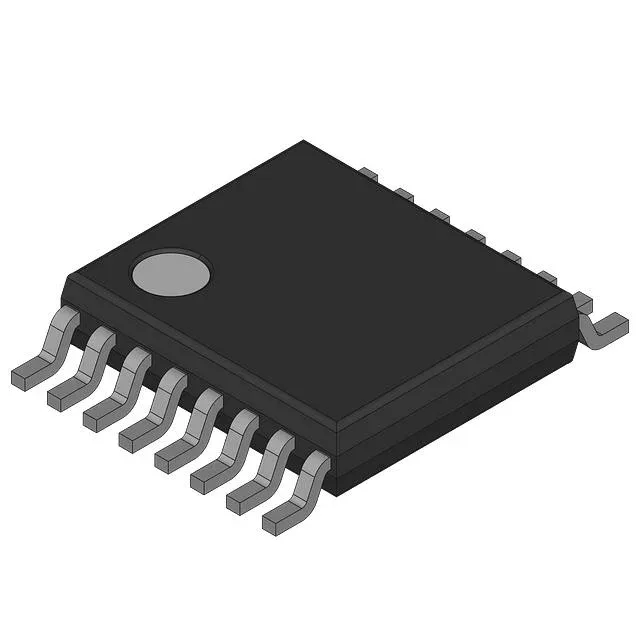
Infineon Technologies CY24206ZC-4 — Analog & Data Acquisition

Infineon CY24206ZC-4 Clock Generator, 74.25 MHz, 16-TSSOP

MPNCY24206ZC-4
End of Life

Infineon Technologies MediaClock™ PLL Clock Generator, 74.25 MHz max, 1:4 fanout, 3.135V–3.465V supply, 16-TSSOP (4.40mm width), 0°C to 70°C, Bulk.

$1.26Ref. price · indicative, final on quote
Packaging16-TSSOP (0.173", 4.40mm Width)
RoHSRoHS non-compliant
SeriesMediaClock™
Sourced new & surplus through independent channelsAuthenticity-screened · ESD-safe packingListing updated Aug 2026

Specifications

CY24206ZC-4 specifications
ParameterValue
TypeClock Generator
SeriesMediaClock™
MountingSurface Mount
Voltage3.135V ~ 3.465V
Frequency74.25MHz
Operating temperature0°C ~ 70°C (TA)
PLLYes
InputCrystal
OutputClock
PackageBulk
Case16-TSSOP (0.173\", 4.40mm Width)
Divider (Multiplier)Yes/No
Number of circuits1
Ratio - Input:Output1:4
Differential - Input:OutputNo/No

Product details

74.25 MHz pixel-clock generator with 1:4 fanout

The CY24206ZC-4 is a PLL-based clock generator from the MediaClock™ family, designed to take a crystal input and produce a cleaned, jitter-reduced clock at up to 74.25 MHz — the standard pixel clock for 720p and 1080i HD video formats. The 1:4 fanout ratio lets one crystal feed four downstream video encoder, decoder, or serializer devices from a single 16-TSSOP package.

Supply rail and temperature envelope

Supply tolerance is tight: 3.135 V to 3.465 V, a ±5 % window on the nominal 3.3 V rail. The PLL lock range and output jitter depend on staying inside this band — a 3.0 V rail or a 3.6 V rail with poor regulation risks losing lock or pushing the internal VCO out of spec.

Package and board-fit note

The supplier device package is 16-TSSOP; the footprint matches the JEDEC MO-153 variation. Surface-mount assembly with standard reflow profiles is expected, but the fine pitch calls for a controlled solder-mask registration to avoid bridging.

Frequently asked questions

What is the CY24206ZC-4 used for?

It generates a 74.25 MHz pixel clock from a crystal input and distributes it to four outputs. That frequency matches the standard pixel clock for 720p (1280×720 at 60 Hz) and 1080i (1920×1080 at 30 Hz) video formats, so the part is typically found on video capture cards, HDMI transmitters, broadcast encoders, and video-processing boards that need a clean, PLL-stabilized clock.