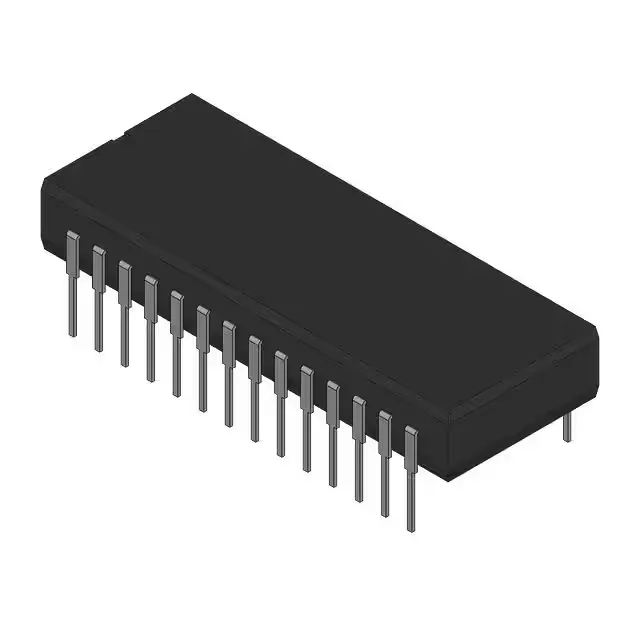
Infineon Technologies CY2254ASC-1 — Analog & Data Acquisition

Infineon CY2254ASC-1 Clock Synthesizer, 66.66MHz, 28-SOIC

MPNCY2254ASC-1
End of Life

Infineon Technologies CY2254ASC-1 processor-specific clock generator, PLL-based clock synthesizer, 66.66MHz max frequency, 1:15 input-to-output ratio, 28-SOIC surface-mount package.

$3.43Ref. price · indicative, final on quote
Packaging28-SOIC (0.295", 7.50mm Width)
RoHSRoHS non-compliant
Sourced new & surplus through independent channelsAuthenticity-screened · ESD-safe packingListing updated Aug 2026

Specifications

CY2254ASC-1 specifications
ParameterValue
TypeClock Synthesizer
MountingSurface Mount
Voltage3.135V ~ 3.6V, 4.5V ~ 5.5V
Frequency66.66MHz
Operating temperature0°C ~ 70°C (TA)
PLLYes
InputCrystal
OutputClock
PackageBulk
Case28-SOIC (0.295\", 7.50mm Width)
Divider (Multiplier)Yes/No
Number of circuits1
Ratio - Input:Output1:15
Differential - Input:OutputNo/No

Product details

PLL clock synthesizer with 1:15 fanout

The CY2254ASC-1 from Infineon Technologies is a processor-specific clock generator built around a PLL core. It accepts a crystal input and delivers up to fifteen clock outputs from a single reference — the 1:15 ratio means one crystal drives the whole clock tree without external fanout buffers. Maximum output frequency is 66.66 MHz, placing it in the range for legacy x86 chipset or embedded controller clocking.

Package and temperature grade

The differential input and output are both marked No — all clocks are single-ended, which simplifies PCB routing but limits noise immunity on long traces compared to a differential LVDS or HCSL output.

Frequently asked questions

What compliance documentation does Infineon provide for CY2254ASC-1?

The CY2254ASC-1 is RoHS non-compliant — it contains lead above the exemption threshold. Infineon does not provide a standard RoHS certificate of compliance for this order code.

What is the 1:15 ratio on CY2254ASC-1?

The ratio of input to output is 1:15 — one crystal input generates up to fifteen clock outputs. The divider/multiplier function is Yes/No, meaning the part can divide the PLL output but does not multiply it beyond the internal VCO range.