Analog Devices PM747CY — Memory (DRAM / SRAM / Flash / EEPROM)

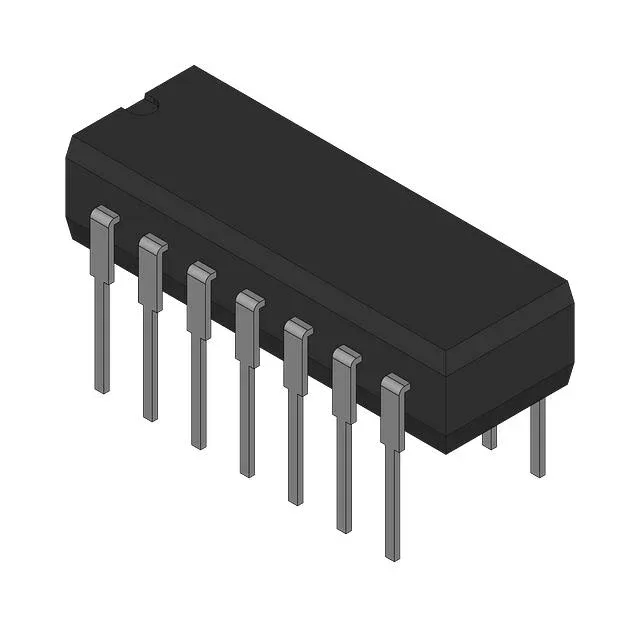
PM747CY Dual Op-Amp, 0.7V/µs Slew Rate, 14-CERDIP

MPNPM747CY
End of Life

PM747CY dual general-purpose op-amp, 14-CDIP (0.300", 7.62mm) through-hole package, 0.7V/µs slew rate, 1.7mA supply current, 80nA input bias, 1mV offset, 25mA output per channel, 10V–36V supply span, 0°C–70°C operating temperature, bulk.

$2.84Ref. price · indicative, final on quote
Packaging14-CDIP (0.300", 7.62mm)
RoHSRoHS non-compliant
Independent supplier — new & surplus stockAuthenticity-screened · ESD-safe packingListing updated Aug 2026

Specifications

PM747CY specifications
ParameterValue
MountingThrough Hole
Amplifier typeGeneral Purpose
Voltage - input offset1 mV
Voltage - supply span36 V
Current - supply1.7mA
Current - input bias80 nA
Current - output (Channel)25 mA
Operating temperature0°C ~ 70°C
PackageBulk
Slew rate0.7V/µs
Case14-CDIP (0.300\", 7.62mm)
Number of circuits2

Product details

Dual general-purpose op-amp in a hermetic CERDIP

The PM747CY is a dual general-purpose operational amplifier in a 14-lead CERDIP (14-CDIP, 0.300" width). It is a through-hole device supplied in bulk, suited for legacy or high-reliability board designs that require a hermetic package.

Key parametric specs and what they mean for your circuit

Output can source or sink 25 mA per channel, enough to drive a modest load or a following stage. Supply current is 1.7 mA per device, and the supply span ranges from 10 V to 36 V, covering common single- or split-rail applications.

Frequently asked questions

Is PM747CY RoHS compliant?

No. The PM747CY is marked RoHS non-compliant. It is suitable for applications where RoHS exemption applies or where a tin-lead finish is required for reliability reasons.

What package does PM747CY come in?

It is supplied in a 14-lead CERDIP (14-CDIP, 0.300" width) in bulk. The supplier device package is 14-CERDIP.

What is the slew rate of PM747CY?

The slew rate is 0.7 V/µs, suitable for general-purpose signal conditioning up to audio frequencies.