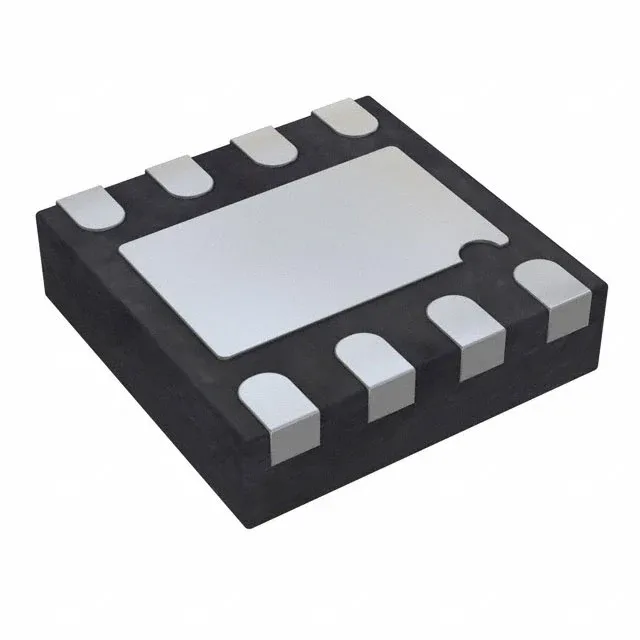
Analog Devices ADM4850ACPZ-REEL7 — Sensors & Transducers

ADM4850ACPZ-REEL7 Half-Duplex RS-485/RS-422 Transceiver

MPNADM4850ACPZ-REEL7
End of Life

Analog Devices ADM4850ACPZ-REEL7, half-duplex RS-485/RS-422 transceiver, 115 kbps data rate, 20 mV receiver hysteresis, 4.75V to 5.25V supply, -40°C to 85°C, 8-LFCSP (3x3) package.

$2.81Ref. price · indicative, final on quote
Packaging8-WFDFN Exposed Pad, CSP
RoHSROHS3 Compliant
Independent supplier — new & surplus stockAuthenticity-screened · ESD-safe packingListing updated Aug 2026

Specifications

ADM4850ACPZ-REEL7 specifications
ParameterValue
TypeTransceiver
MountingSurface Mount
Voltage4.75V ~ 5.25V
ProtocolRS422, RS485
Operating temperature-40°C ~ 85°C
DuplexHalf
PackageTape & Reel (TR); Cut Tape (CT)
Data rate115kbps
Case8-WFDFN Exposed Pad, CSP
Receiver hysteresis20 mV
Number of drivers (Receivers)1/1

Product details

Half-duplex RS-485 transceiver for industrial bus links

The ADM4850ACPZ-REEL7 is a half-duplex RS-485/RS-422 transceiver from Analog Devices, handling one driver and one receiver on a single differential pair. It operates from a 4.75V to 5.25V supply rail — the 5V nominal supply is typical for legacy industrial bus interfaces, so check your rail before committing the BOM position. Data rate is 115 kbps, which suits long cable runs where signal integrity matters more than raw speed — think factory-floor sensor networks or building automation backbones. The 20 mV receiver hysteresis helps reject noise on the bus without external filtering.

Industrial temperature range and small footprint

Hand-soldering is possible with a fine tip and flux, but a hot-air station makes rework easier. ROHS3 compliant, so no lead-free transition worries.

Lifecycle status is Active. Analog Devices continues to manufacture this part, so new designs can proceed without a near-term end-of-life risk.

Frequently asked questions

Can ADM4850ACPZ-REEL7 work with 3.3V microcontrollers?

The supply voltage range is 4.75V to 5.25V — it is a 5V part. A 3.3V microcontroller can drive the logic inputs if the logic-high threshold is met (typically 2.0V for TTL-compatible inputs), but the transceiver itself requires a 5V supply. Level shifting on the logic side may be needed for reliable operation.