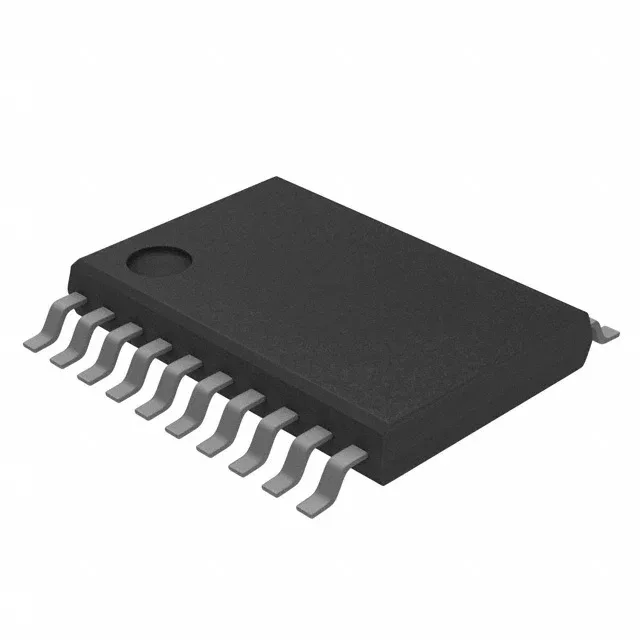
The maximum output frequency of 300 MHz covers most high-speed serial interfaces — Gigabit Ethernet, PCIe Gen1, SATA, and DDR memory controllers. The 1:6 input-to-output ratio means one reference oscillator can feed six clock loads, reducing BOM count and board area. Each of the three PLLs can be configured independently, so you can mix frequencies and spread-spectrum profiles on different output banks without adding a second clock chip.
Spread Spectrum — Why It Matters for EMI
The spread-spectrum modulation on the CDCE706PWR spreads the output energy across a small frequency band, lowering peak radiated emissions at the fundamental and harmonics. This is the difference between passing FCC Class B on a two-layer board and needing a four-layer stack-up with ferrite beads on every clock trace. If your design is already tight on emissions margin, this part gives you a modulation knob without an external VCXO.