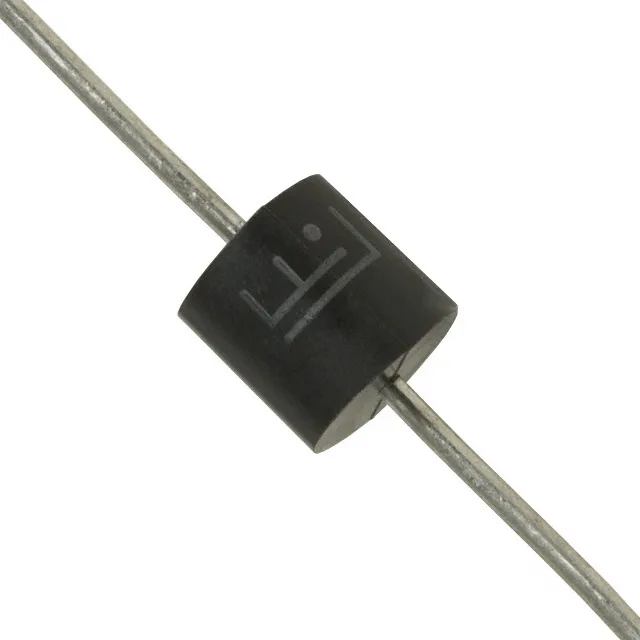
Panjit International Inc. 5KP200CA_R2_00001 — Circuit Protection

5KP200CA_R2_00001 Zener TVS Diode, 5000W Peak

MPN5KP200CA_R2_00001
Active

Panjit International Inc. 5KP series Zener TVS diode, bidirectional, 200V standoff, 324V clamping max, 15A peak pulse, 5000W peak pulse power, -55°C to 175°C junction, P600 axial through-hole.

$0.7695Ref. price · indicative, final on quote
Sourced new & surplus through independent channelsAuthenticity-screened · ESD-safe packingListing updated Aug 2026

Specifications

5KP200CA_R2_00001 specifications
ParameterValue
TypeZener
Series5KP
MountingThrough Hole
Voltage - breakdown220V
Voltage - clamping (Max) @ ipp324V
Voltage - reverse standoff200V
Current - peak pulse (10/1000μs)15A
Power - peak pulse5000W (5kW)
Power line protectionNo
Operating temperature-55°C ~ 175°C (TJ)
PackageTape & Reel (TR) Cut Tape (CT)
ApplicationsGeneral Purpose
CaseP600, Axial
Bidirectional channels1

Product details

5000-watt peak pulse rating and clamping architecture

The 5KP200CA_R2_00001: Standoff is 200 V typical reverse standoff; the device breaks down no lower than 220 V and clamps at a maximum 324 V at the rated peak pulse current. At a 10/1000 µs waveform the peak pulse current rating is 15 A — which means the clamping voltage of 324 V is the ceiling under that event. The 5 kW peak pulse power rating is the governing selection figure for a TVS on a 200 V rail: it tells you how much transient energy the device can absorb before it clips rather than clamps.

Frequently asked questions

Where can I source 5KP200CA_R2_00001 and what is the typical lead time?

Availability and current lead time are confirmed at RFQ; no live stock figure is posted on this listing.

What is the difference between standoff voltage and clamping voltage on a TVS diode like 5KP200CA_R2_00001?

The standoff voltage (200 V typical reverse standoff) is the working rail the diode sees in normal operation — it sits across the line without conducting. The clamping voltage (324 V max at 15 A peak pulse) is where the diode turns on under a transient and clamps the overvoltage spike to protect downstream circuitry. The 5 kW peak pulse power rating defines the energy the device can absorb at that clamping event without failing.