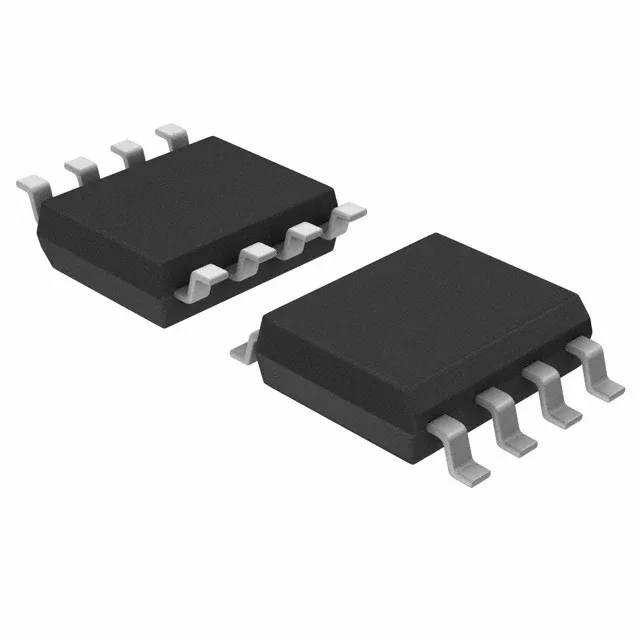
Automotive-grade serial bus transceiver in 8-SOIC
The MC33660BEFR2: It handles the physical-layer translation between a microcontroller UART and a dedicated single-wire bus used in body electronics — door modules, seat controllers, steering-column switches — where a common twisted-pair CAN or LIN is overkill but a simple GPIO link lacks noise immunity.
What the supply range and grade mean for fit
Automotive Grade means the device is qualified to AEC-Q100 stress tests — operating junction temperature typically -40°C to +125°C, plus the full suite of ESD, latch-up, and reliability monitors that a body-control module sees over a 15-year vehicle life. The 8 V to 18 V input is the real-world battery rail: a 12 V nominal system dips to 8 V during starter engagement and spikes to 18 V during alternator load-dump. The transceiver keeps the bus alive across that swing without a secondary regulator. The 8-SOIC footprint is the same 1.27 mm pitch as generic SOIC-8 — no board spin needed if the existing layout already holds a small serial transceiver.
Sourcing and compliance posture
No official second-source or pin-compatible alternative is listed in the NXP portfolio — the Serial Link Bus Interface is a proprietary physical layer, not a standard CAN or LIN transceiver.