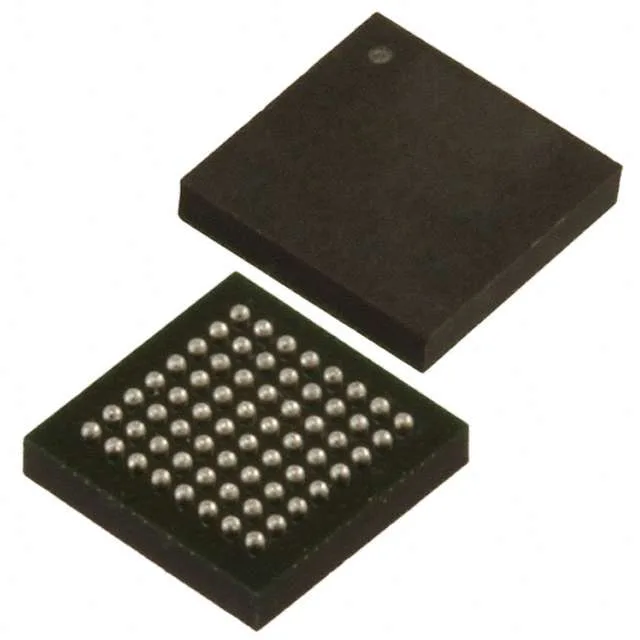
Lattice Semiconductor Corporation LCMXO2-256HC-4UMG64C — FPGA / CPLD & Programmable Logic

LCMXO2-256HC-4UMG64C Lattice MachXO2 FPGA, 256 LUTs, 44 I/O

MPNLCMXO2-256HC-4UMG64C
Active

Lattice Semiconductor Corporation MachXO2 FPGA, LCMXO2-256HC-4UMG64C, 256 LUTs, 32 LABs, 44 I/O, 2.375V–3.465V, 64-UCBGA (4x4 mm), Tray, ROHS3 Compliant.

$5.9500Ref. price · indicative, final on quote
Packaging64-VFBGA
RoHSROHS3 Compliant
SeriesMachXO2
Independent supplier — new & surplus stockAuthenticity-screened · ESD-safe packingListing updated Aug 2026

Specifications

LCMXO2-256HC-4UMG64C specifications
ParameterValue
SeriesMachXO2
MountingSurface Mount
Voltage2.375V ~ 3.465V
Operating temperature0°C ~ 85°C (TJ)
PackageTray
Number of i (O)44
Case64-VFBGA
Number of LABs (CLBs)32
Number of logic elements (Cells)256

Product details

Active MachXO2 — 256 LUTs in a 4x4 mm BGA

The Lattice LCMXO2-256HC-4UMG64C is an active-production MachXO2 FPGA with 256 logic cells (LUTs) organized into 32 LABs, plus 44 user I/O. It's the smallest-density member of the MachXO2 family in the ultra-compact 64-UCBGA (4x4 mm) package — a genuine CPLD-killer for space-constrained glue logic, bus bridging, or power-up sequencing.

Package and board-fit — 64-UCBGA (4x4 mm)

The 44 I/O are distributed across the BGA balls — enough for a 16-bit data bus plus control signals, or a handful of SPI/I2C interfaces with chip selects. The I/O banks can be split to support multiple voltage domains, though the core supply is fixed within the 2.375V–3.465V window.

ROHS3 compliant — fully lead-free, no RoHS exemptions. The part ships in a Tray, typical for BGA devices that need anti-static handling during pick-and-place.

Frequently asked questions

What is the closest functional second-source for LCMXO2-256HC-4UMG64C?

The LCMXO2-256HC-4MG132I is a peer in the same MachXO2 family with the same 256 LUT count and 2.375V supply, but it offers 55 I/O (vs 44) and an industrial temperature range (-40°C to 100°C). The package is different (132-ball caBGA vs 64-UCBGA), so a board respin is required — it won't drop in without rewiring.