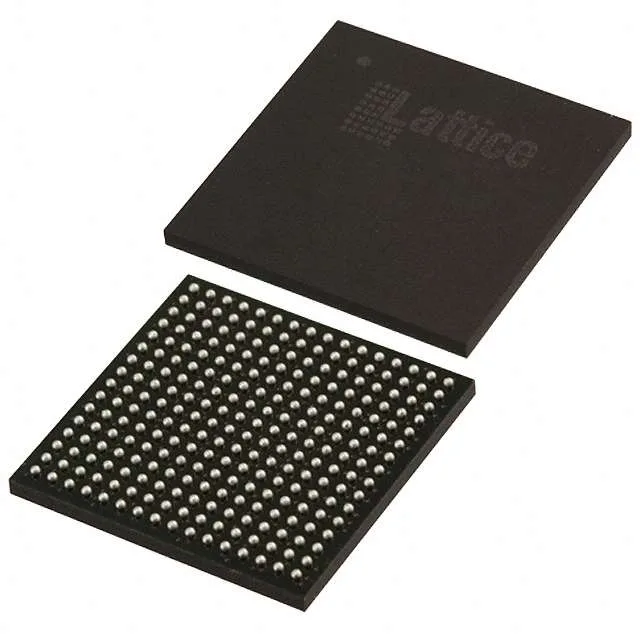
Lattice Semiconductor Corporation LCMXO2-2000HC-4FTG256C — FPGA / CPLD & Programmable Logic

Lattice LCMXO2-2000HC-4FTG256C MachXO2 FPGA, 2112 LUTs

MPNLCMXO2-2000HC-4FTG256C
Active

Lattice Semiconductor Corporation MachXO2 FPGA, 2112 logic cells, 206 I/O, 75776 total RAM bits, 256-LBGA, Tray, 2.375V ~ 3.465V supply, 0°C to 85°C.

$20.7500Ref. price · indicative, final on quote
Packaging256-LBGA
RoHSROHS3 Compliant
SeriesMachXO2
Independent supplier — new & surplus stockAuthenticity-screened · ESD-safe packingListing updated Aug 2026

Specifications

LCMXO2-2000HC-4FTG256C specifications
ParameterValue
SeriesMachXO2
MountingSurface Mount
Voltage2.375V ~ 3.465V
Operating temperature0°C ~ 85°C (TJ)
PackageTray
Number of i (O)206
Case256-LBGA
Total RAM bits75776
Number of LABs (CLBs)264
Number of logic elements (Cells)2112

Product details

2112 logic cells and 206 I/O — the MachXO2 sweet spot for bridge logic

The LCMXO2-2000HC-4FTG256C packs 2112 logic cells (264 LABs/CLBs) and 206 user I/O in a 256-FTBGA package. That density sits between a large CPLD and a small FPGA — it handles 8- to 16-bit bus bridging, I/O expansion, and control logic without the power and cost of a bigger fabric. On-chip block RAM totals 75776 bits, enough for small FIFOs or look-up tables.

256-FTBGA — board-level routing and reflow considerations

The 256-ball FTBGA (17x17 mm body) with 206 routed I/O forces a multi-layer PCB — four layers minimum to fan out the inner balls. Ball pitch is 1.0 mm, which is standard for hand-assembly and AOI inspection. The package is surface-mount only; no socket option exists for this footprint. Operating temperature is 0°C to 85°C (commercial grade). This part is not rated for industrial or automotive ambient ranges — if the enclosure sees -20°C or 105°C, step up to the 'I' suffix variant.

It is ROHS3 compliant, so it passes the 2011/65/EU recast without exemption declarations.

Frequently asked questions

Will LCMXO2-2000HC-4FTG256C drop into a board designed for LCMXO2-2000HC-5TG100C?

No — the 5TG100C uses a 100-ball TQFP package with 79 I/O, while the 4FTG256C is a 256-ball FTBGA with 206 I/O. The footprint, ball map, and PCB layout are completely different. A board spin is required.