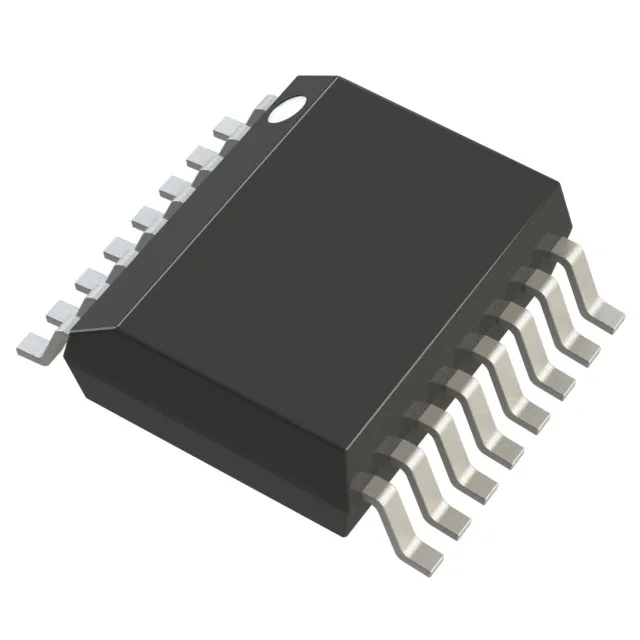
Analog Devices MAX618EEE+T — DC-DC Power Modules

MAX618EEE+T Boost Converter, 1.4A Switch, 250kHz

MPNMAX618EEE+T
End of Life

Maxim Integrated MAX618EEE+T, step-up boost DC-DC converter, adjustable output, 1.4A internal switch, 250kHz switching frequency, 16-QSOP surface-mount package, -40°C to 85°C operating temperature.

$9.64Ref. price · indicative, final on quote
Packaging16-SSOP (0.154", 3.90mm Width)
RoHSROHS3 Compliant
Sourced new & surplus through independent channelsAuthenticity-screened · ESD-safe packingListing updated Aug 2026

Specifications

MAX618EEE+T specifications
ParameterValue
Output typeAdjustable
MountingSurface Mount
Voltage - input28V
Voltage - output28V
Voltage - output (Min (Fixed))3V
Output current1.4A (Switch)
Frequency250kHz
I/O channels1
Operating temperature-40°C ~ 85°C (TA)
PackageTape & Reel (TR); Cut Tape (CT)
FunctionStep-Up
TopologyBoost
Case16-SSOP (0.154\", 3.90mm Width)
Output configurationPositive
Synchronous rectifierNo

Product details

Boost converter with a 1.4A internal switch in a 16-QSOP

The Maxim Integrated MAX618EEE+T is a step-up (boost) switching regulator with an adjustable output voltage, built around a 1.4A internal switch. It operates from a 3V to 28V input range and switches at 250kHz, making it suitable for generating higher-voltage rails from a lower-voltage bus in industrial control, telecom, and battery-powered equipment.

The 1.4A switch current rating is the peak current the internal MOSFET can handle. For a typical boost conversion from 5V to 12V, that translates to roughly 800 mA output at the higher voltage, depending on duty cycle and efficiency. The 250kHz switching frequency is a middle ground — fast enough to keep inductor and capacitor sizes reasonable, but not so high that switching losses dominate or layout becomes critical. No synchronous rectifier is used, so expect a Schottky diode in the output path.

Active and available — no LTB risk

Frequently asked questions

Does MAX618EEE+T have synchronous rectification?

No, the MAX618EEE+T does not use synchronous rectification.