1.2 MHz GBW, 205 µA per channel — where the parametric trade-off lands
The LT1638CDD#PBF is a dual general-purpose op-amp from Analog Devices with a 1.2 MHz gain-bandwidth product and a 0.4 V/µs slew rate. The supply current per channel is 205 µA — low enough to run continuously on a battery-powered sensor board, but the 1.2 MHz GBW means the usable closed-loop bandwidth at a gain of 10 is about 120 kHz. For a 20 kHz audio path or a 10 kHz control loop that is plenty; for a 500 kHz switching-regulator error amplifier it is too slow. The rail-to-rail output stage swings within a few millivolts of the supply rails, which eliminates the need for a negative rail in single-supply designs. With a supply span from 2.5 V to 44 V, the same part can run off a 3.3 V logic rail or a 24 V industrial bus without a level translator.
Package, temperature grade, and what they mean for the board
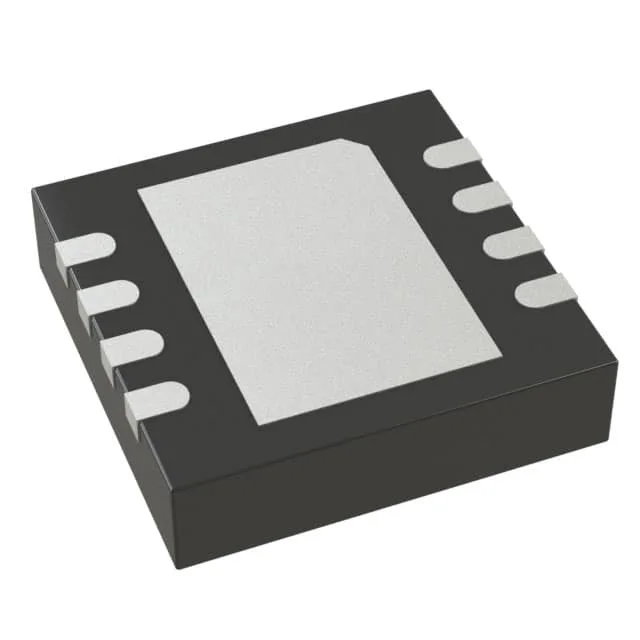
The part comes in an 8-WFDFN with an exposed pad (3x3 mm DFN). The exposed pad must be soldered to a ground-plane copper island to achieve the rated thermal performance — without it, the junction temperature rises faster under the 40 mA output load per channel. The supplier device package is 8-DFN (3x3), so the footprint and stencil aperture should match the Linear Technology / Analog Devices DFN-8 land pattern. The operating temperature range is -40°C to 85°C, which covers industrial enclosures, outdoor telecom cabinets, and HVAC equipment but not under-hood automotive or engine-bay environments. ROHS3 compliance means the part is free of the six restricted substances plus four phthalates — it ships into EU markets without a RoHS exemption claim.
Active lifecycle — no EOL watch needed for this BOM line
The LT1638CDD#PBF carries an active lifecycle status from Analog Devices. For a production BOM this means the part is still in the manufacturer's standard portfolio and can be sourced through authorized distribution channels without a time-bomb date. Because the part is active and the package is a standard DFN-8, the supply chain is stable. The tube packaging is the standard shipping format for this variant — if your pick-and-place line prefers tape-and-reel, check whether the reel suffix exists for this code or if a tube-to-reel transfer is needed at the CM.