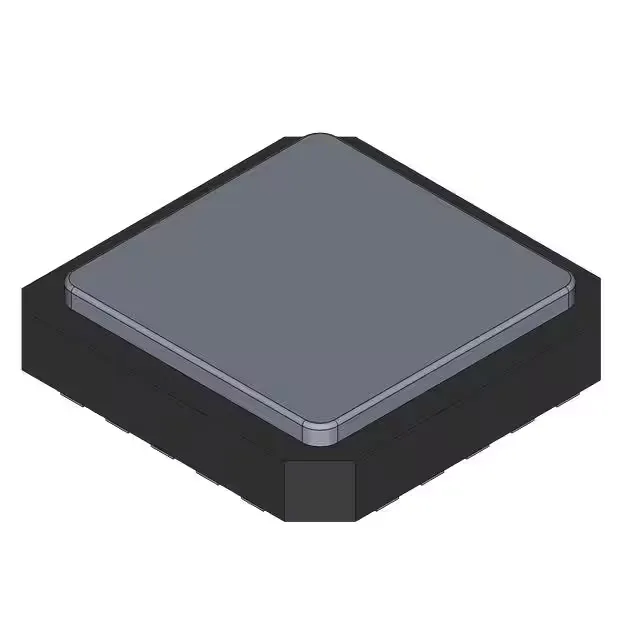
Analog Devices 5962-87700022A — Discrete Semiconductors

5962-87700022A 8-Bit Multiplying DAC, 250ns, -55°C to 125°C

MPN5962-87700022A
End of Life

Analog Devices 5962-87700022A 8-bit multiplying DAC, R-2R architecture, current-unbuffered output, parallel interface, 250ns settling, 20-CLCC ceramic package, military temp range -55°C to 125°C.

$39.2Ref. price · indicative, final on quote
Packaging20-CLCC
RoHSRoHS non-compliant
Independent supplier — new & surplus stockAuthenticity-screened · ESD-safe packingListing updated Aug 2026

Specifications

5962-87700022A specifications
ParameterValue
Output typeCurrent - Unbuffered
MountingSurface Mount
Reference typeExternal
Voltage - supply, analog5V ~ 15V
Voltage - supply, digital5V ~ 15V
InterfaceParallel
Operating temperature-55°C ~ 125°C
PackageBulk
ArchitectureMultiplying DAC, R-2R
INL (DNL)±0.25LSB (Max)
Settling time250ns
Number of bits8
Case20-CLCC
Differential outputYes
Number of d (A converters)1

Product details

8-bit multiplying DAC in a hermetic ceramic package

The 5962-87700022A is an 8-bit multiplying DAC from Analog Devices, built on a classic R-2R ladder architecture with current-unbuffered output. It settles to within ±0.25 LSB (max) in 250 ns, which means a full-scale step update every 4 µs at 8-bit resolution gives the downstream amplifier time to settle before the next conversion. The 20-lead ceramic LCCC (20-LCCC, 9x9 mm) package provides a hermetic seal, and the -55°C to 125°C operating range qualifies it for avionics, satellite, and downhole instrumentation where commercial plastic packages would delaminate or leak.

Supply rails and interface — one voltage, no split rail hassle

Both the analog and digital supplies share a single 5V to 15V range, so a single 5V or 12V rail powers the entire DAC. The parallel data interface writes all 8 bits in one bus cycle — no serial shift-out latency, which matters when the DAC is fed from a legacy DSP or an FPGA with a wide parallel bus. Because it is a multiplying DAC, the reference input accepts AC signals; the output is the product of the digital code and the reference voltage. This makes it useful for digitally controlled attenuators or waveform generators where the reference is a sine wave, not just a DC level.

Sourcing and lifecycle — active, no EOL pressure

For a military-temperature ceramic DAC that has been in production for decades, active means the die and package supply chain are still running. The part is RoHS non-compliant per the current listing. This is typical for ceramic hermetic packages that use tin-lead solder on the leads for reliability in temperature cycling. Buyers in RoHS-exempt categories (aerospace, military, medical implant) can proceed; commercial RoHS-mandated builds should check their exemption policy.

Frequently asked questions

Will 5962-87700022A drop into a board designed for AD7524JNZ?

No — the 5962-87700022A is a surface-mount 20-CLCC package, while the AD7524JNZ is a through-hole DIP. The pinout and electrical specs are similar (both are 8-bit R-2R multiplying DACs with parallel interface), but the board layout would need to change for the ceramic LCCC footprint.

What is the settling time and why does it matter?

The settling time is 250 ns to ±0.25 LSB. This sets the maximum update rate: at 8 bits, a full-scale step takes 250 ns, so the DAC can be clocked at roughly 4 MHz without the output slewing into the next conversion cycle. For open-loop waveform generation, this translates to a 2 MHz sine wave with 32 points per cycle.

How can I order 5962-87700022A or check availability?

Submit an RFQ with your target quantity and target price to receive a firm offer with lead time.