Li-Ion charger with SMBus control
The ISL88739HRZ is a lithium-ion/polymer battery charger IC from Renesas that handles 2 to 4 series cells, making it a fit for multi-cell packs in portable equipment, power tools, or backup systems. It communicates over an SMBus interface, which means charge parameters (current, voltage, termination) are set digitally by a host controller rather than fixed resistors — useful when the same board must support different pack chemistries or capacities.
22V max supply, overcurrent protection
The maximum supply voltage is 22 V, so the input rail must stay below that — typical 2-4 cell Li-Ion packs charge at 8.4 V to 16.8 V, leaving headroom for a 19 V adapter or USB-C PD input without an external pre-regulator. Built-in overcurrent fault protection guards the battery and the charging FETs against a shorted output or a failed pass element — the IC latches off rather than letting the current run away.
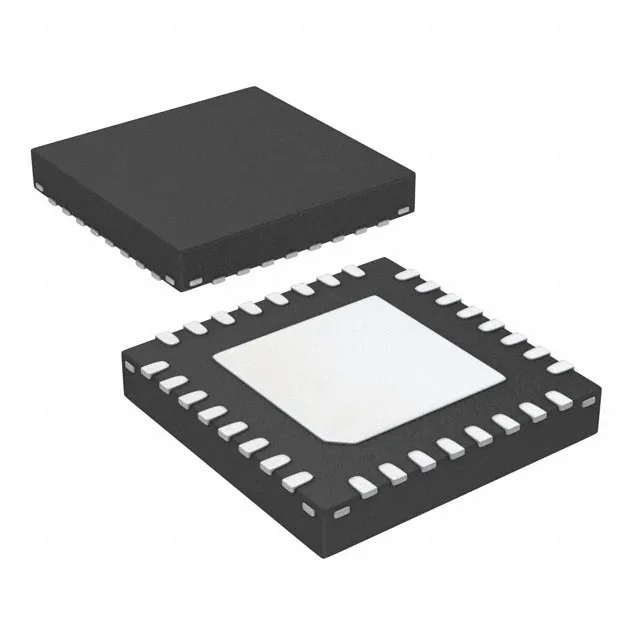
32-QFN package, hand-solderable
Supplied in tube packaging, so it arrives in a rigid carrier that protects the leads during shipping and is easy to feed into a pick-and-place feeder or a manual assembly tray.