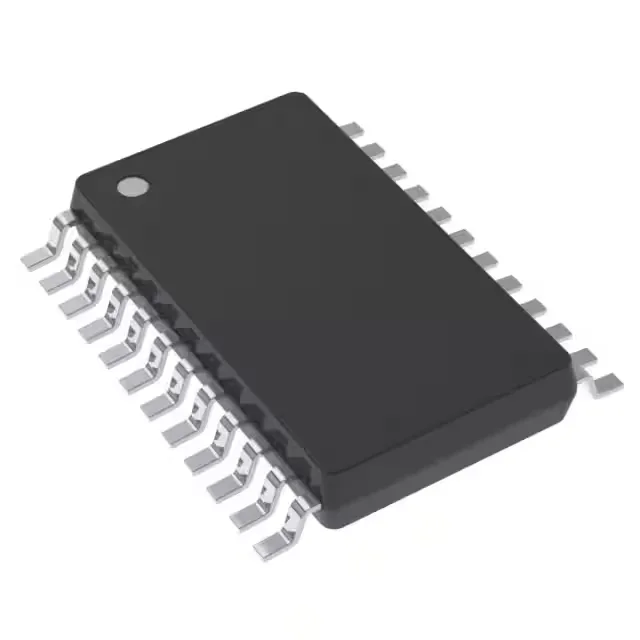
Microchip Technology ATF22V10CQZ-20XU — FPGA / CPLD & Programmable Logic

ATF22V10CQZ-20XU 22V10 EE PLD, 20 ns, 10 Macrocells

MPNATF22V10CQZ-20XU
Active

Microchip 22V10 series EE PLD, ATF22V10CQZ-20XU, 20 ns speed, 10 macrocells, 5V input, 24-TSSOP surface-mount package, tube.

$3.0000Ref. price · indicative, final on quote
Independent supplier — new & surplus stockAuthenticity-screened · ESD-safe packingListing updated Aug 2026

Specifications

ATF22V10CQZ-20XU specifications
ParameterValue
Series22V10
MountingSurface Mount
Programmable typeEE PLD
Voltage - input5V
Speed20 ns
PackageTube
Case24-TSSOP (0.173\", 4.40mm Width)
Number of macrocells10

Product details

The ATF22V10CQZ-20XU is a Microchip 22V10-series EE PLD with a 20 ns propagation delay, 10 macrocells, and a 5V input rail. That 20 ns is the pin-to-pin tPD — the time from a registered input clock edge to a valid output. In a 50 MHz system clock cycle (20 ns period), this part leaves zero margin for combinatorial paths through the PLD; it is better suited to 25–33 MHz buses where you have a full clock edge of setup-and-hold budget. For address decoding or simple state machines running off a slower peripheral clock, the 20 ns grade is comfortable.

EE PLD — reprogrammable without UV

This is an electrically erasable PLD (EE PLD), not a one-time programmable fuse part. That means you can reprogram it in-circuit or on a programmer without a UV eraser — useful for prototyping, field firmware tweaks, or last-minute logic changes. The 22V10 architecture is a classic: 10 macrocells each configurable as registered or combinatorial, with programmable output polarity.

24-TSSOP footprint — reflow, not socket

The 24-TSSOP package (0.173" body width, 4.40 mm) is a fine-pitch surface-mount part. No socket option for field swapping — this is a reflow-solder part. The 0.65 mm pin pitch is standard for TSSOP-24; your PCB footprint should match the JEDEC MO-153 pattern.

The 22V10 family is a mature, widely second-sourced architecture — Microchip, Cypress (now Infineon), and others have produced compatible parts over the years.

Frequently asked questions

What is the difference between ATF22V10CQZ-20XU and ATF22V10CQZ-15XU?

The only difference is the speed grade: the -20XU has a 20 ns propagation delay, while the -15XU is rated at 15 ns. Both are 5V, 10-macrocell EE PLDs in the same 24-TSSOP package. The -15XU is faster and costs more; the -20XU is adequate for slower bus applications and is the more cost-effective choice when timing margin allows.

Can ATF22V10CQZ-20XU replace ATF22V10CQZ-25XU?

Yes, the ATF22V10CQZ-20XU is faster (20 ns) than the -25XU (25 ns). It is a drop-in replacement with the same 22V10 architecture, 10 macrocells, 5V supply, and 24-TSSOP footprint. The -20XU will meet or exceed the timing of the -25XU in any design.

Where can I find the datasheet for ATF22V10CQZ-20XU?

The datasheet is available from Microchip's website under the base product number ATF22V10. It covers the full 22V10 family including the -20XU speed grade, programming algorithms, and timing diagrams. The datasheet is the authoritative reference for pinout, DC characteristics, and programming specifications.

What are the equivalent parts for ATF22V10CQZ-20XU?

The 22V10 architecture is a JEDEC standard, so many manufacturers produce pin-compatible equivalents. Common alternatives include the Cypress (Infineon) CY7C371A series and the Lattice GAL22V10 series in the same 24-TSSOP package. All are 5V, 10-macrocell EE PLDs with the same programming algorithm. Verify the speed grade matches your timing requirement when substituting.