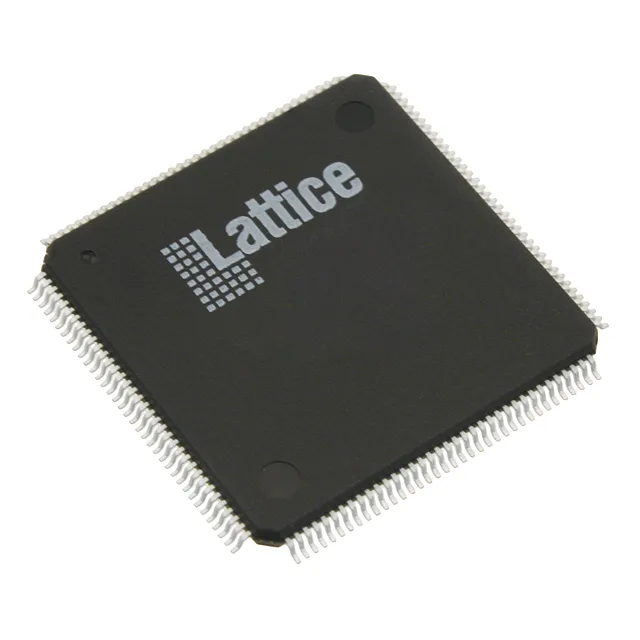
Lattice Semiconductor Corporation LCMXO2280C-4TN144C — FPGA / CPLD & Programmable Logic

Lattice LCMXO2280C-4TN144C MachXO FPGA, 2280 LEs, 113 I/O

MPNLCMXO2280C-4TN144C
Active

Lattice Semiconductor MachXO FPGA, LCMXO2280C-4TN144C, 2280 logic elements, 113 I/O, 28 Kbit RAM, 144-TQFP (20x20 mm), 1.71V–3.465V supply, 0°C to 85°C.

$37.8000Ref. price · indicative, final on quote
Packaging144-LQFP
RoHSROHS3 Compliant
SeriesMachXO
Independent supplier — new & surplus stockAuthenticity-screened · ESD-safe packingListing updated Aug 2026

Specifications

LCMXO2280C-4TN144C specifications
ParameterValue
SeriesMachXO
MountingSurface Mount
Supply voltage1.71V ~ 3.465V
Operating temperature0°C ~ 85°C (TJ)
PackageTray
Number of i (O)113
Case144-LQFP
Total RAM bits28262
Number of LABs (CLBs)285
Number of logic elements (Cells)2280

Product details

2280 logic elements — gate budget for glue-logic consolidation

The LCMXO2280C-4TN144C packs 2280 logic elements (285 LABs/CLBs) and 28 Kbit of embedded RAM, enough to absorb a handful of 74-series glue-logic devices or a small state machine into a single instant-on FPGA. 113 user I/O in a 144-TQFP (20x20 mm) gives the board designer enough pins to bridge a parallel bus, decode address lines, and still have headroom for status LEDs or debug headers.

The commercial temperature range (0°C to 85°C junction) suits benchtop instruments, telecom line cards in conditioned racks, and consumer electronics — but not engine-bay or outdoor enclosures without active cooling.

Active lifecycle — no LTB pressure

ROHS3 compliant per — no exemption expiry risk for EU-bound products through at least the current regulatory cycle.

Frequently asked questions

What is the difference between LCMXO2280C-4TN144C and LCMXO2280C-4FTN256C?

Both share the same 2280 logic elements, 28 Kbit RAM, and supply voltage range. The 4FTN256C variant offers 211 I/O in a 256-ball fpBGA package, versus 113 I/O in the 144-TQFP. The logic fabric and instant-on behavior are identical; the choice is I/O count vs package footprint.