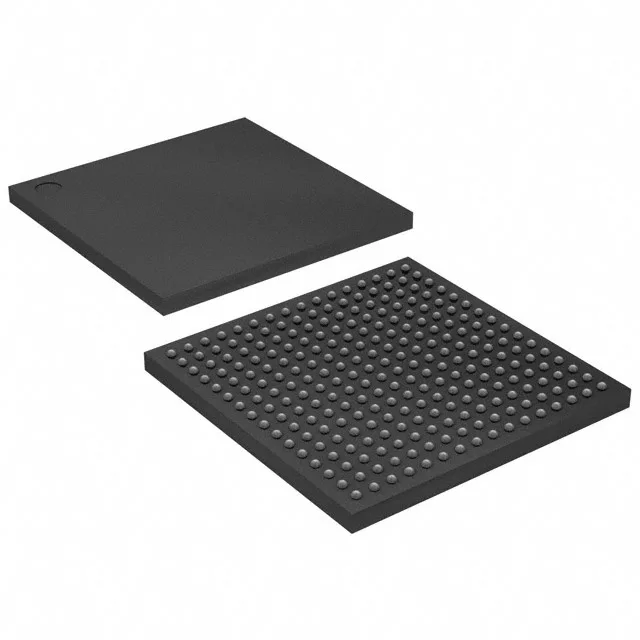
Intel EP4CE15F23C7 — FPGA / CPLD & Programmable Logic

Intel Cyclone IV E EP4CE15F23C7 FPGA, 15408 LEs, 484-BGA

MPNEP4CE15F23C7
Active

Intel Cyclone IV E FPGA, EP4CE15F23C7, 15408 logic elements, 516096 bits RAM, 343 I/O, 1.15V-1.25V core, 484-BGA, 0°C to 85°C.

$69.0000Ref. price · indicative, final on quote
StockContact for availability
MOQ1 pcs
  • 100% new & originalTraceable channels only — no refurbs, no pulls, no remarked parts.
  • Date & lot codes on quoteStated per line before you commit; label photos on request.
  • MSL-compliant ESD packingMoisture-sealed bags with indicator cards; reels photo-verified.
  • PayPal buyer protectionPay by T/T, PayPal or Payoneer — card payments covered end to end.

Specifications

EP4CE15F23C7 Technical Specifications
ParameterValue
SeriesCyclone® IV E
Mounting typeSurface Mount
Voltage1.15V ~ 1.25V
Operating temperature0°C~85°C(TJ)
PackageTray
Number of i (O)343
Case484-BGA
Total RAM bits516096
Number of LABs (CLBs)963
Number of logic elements (Cells)15408

Product details

What the EP4CE15F23C7 is and where it fits

The Intel EP4CE15F23C7 is a Cyclone IV E FPGA with 15408 logic elements, 516096 bits of embedded RAM, and 343 user I/O in a 484-ball BGA package. It is a low-cost, low-power FPGA family aimed at high-volume applications — think motor-drive control logic, display interface bridging, sensor fusion preprocessing, and general-purpose I/O expansion in industrial or commercial equipment where the ambient temperature stays between 0°C and 85°C junction.

Key ratings — what they mean for the BOM

The 15408 logic elements place this part between the EP4CE6 (6272 LEs) and EP4CE10 (10320 LEs).

Frequently asked questions

What is the EP4CE15F23C7?

The EP4CE15F23C7 is an Intel Cyclone IV E FPGA with 15408 logic elements, 516096 bits of block RAM, and 343 user I/O in a 484-ball BGA package. It is a low-cost, low-power FPGA for industrial and commercial applications.

What is the difference between EP4CE15F23C7 and EP4CE15F23C8?

The suffix C7 vs C8 indicates the speed grade. The C7 is the faster speed grade (the lower the number, the faster the internal routing and logic delays). The C8 is a lower-cost, slower speed bin. Both share the same logic density, I/O count, and package.