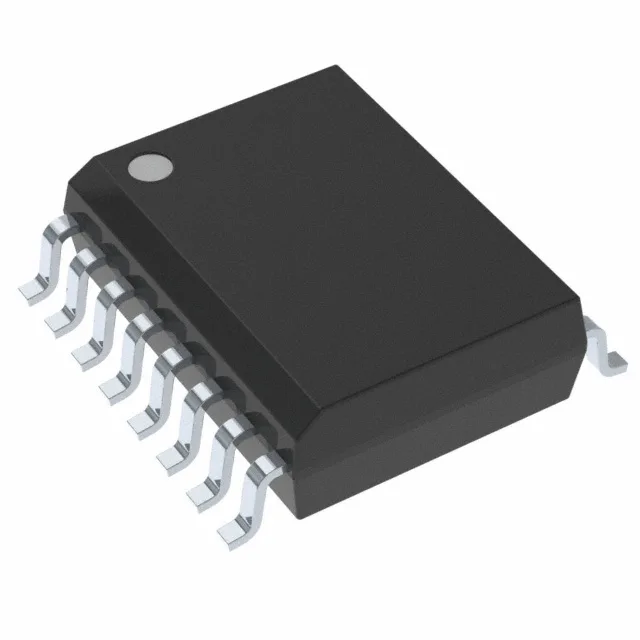
The 2.7 V to 3.6 V supply and -40°C to 105°C operating range make it a fit for industrial control, motor drives, outdoor telecom, and automotive under-hood environments where the board sees temperature swings and vibration.
133 MHz Quad SPI — what the clock speed buys you
The 133 MHz clock rate with Quad I/O means the part can sustain a read throughput well above what a single-bit SPI at lower frequencies manages. For an FPGA configuration memory or a firmware-shadowing NOR holding a bootloader, that speed difference cuts the time the host processor waits for code to load. The Quad I/O interface uses four data lines instead of one, so the effective transfer rate is roughly four times the single-bit SPI rate at the same clock — useful when the MCU or FPGA is clock-starved and every microsecond of fetch latency matters.
It is ROHS3 compliant.