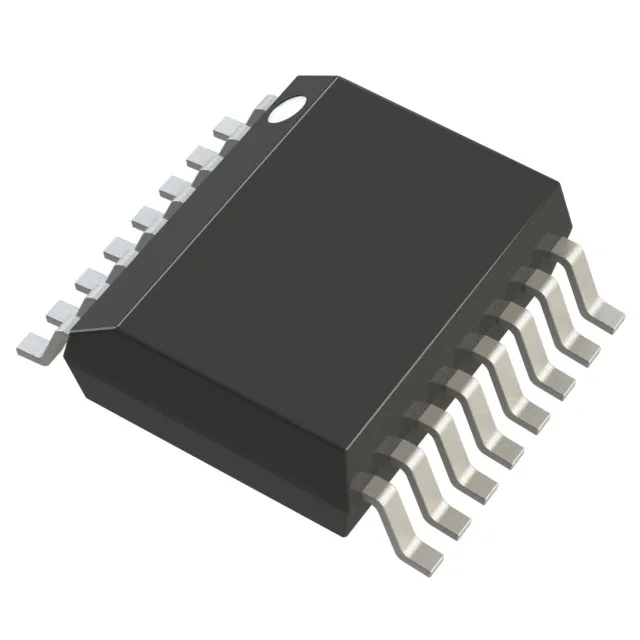
Analog Devices MAX4219EEE+ — Logic ICs

MAX4219EEE+ Triple Buffer, 600V/µs Slew Rate, 200 MHz

MPNMAX4219EEE+
End of Life

Analog Devices MAX4219EEE+, triple voltage-feedback buffer, 600 V/µs slew rate, 200 MHz -3 dB bandwidth, rail-to-rail output, 16-QSOP surface-mount package, -40°C to 85°C operation.

$10.31Ref. price · indicative, final on quote
Packaging16-SSOP (0.154", 3.90mm Width)
RoHSROHS3 Compliant
Sourced new & surplus through independent channelsAuthenticity-screened · ESD-safe packingListing updated Aug 2026

Specifications

MAX4219EEE+ specifications
ParameterValue
Output typeRail-to-Rail
MountingSurface Mount
Amplifier typeBuffer, Voltage Feedback
Voltage - input offset4 mV
Voltage - supply span3.15 V
Current - supply5.5mA (x3 Channels)
Current - input bias5.4 µA
Current - output (Channel)120 mA
Operating temperature-40°C ~ 85°C
-3db bandwidth200 MHz
PackageTube
Slew rate600V/µs
Case16-SSOP (0.154\", 3.90mm Width)
Number of circuits3

Product details

Triple buffer for high-speed video and signal distribution

The Analog Devices MAX4219EEE+ packs three independent voltage-feedback buffers in a single 16-pin QSOP. The rail-to-rail output stage lets each buffer swing close to the supply rails on a single supply spanning 3.15 V to 11 V, so you keep dynamic range without a negative rail.

That headroom handles component video (480i/p, 720p) without visible slew-induced distortion on the sync edges, and it keeps the pulse fidelity intact when driving flash ADC inputs or cable loads. If your design lives in the 50 MHz to 100 MHz signal range, this buffer won't be the bandwidth bottleneck.

Each of the three channels can source or sink 120 mA, which is enough to drive a 75 Ω video line directly or charge the sampling capacitor on a high-speed ADC without an extra output stage.

Housed in a 16-lead QSOP (3.90 mm body width), the MAX4219EEE+ takes up about half the board area of a SOIC-16.

Frequently asked questions

What is the bandwidth and slew rate of MAX4219EEE+?

The MAX4219EEE+ has a 200 MHz -3 dB bandwidth and a 600 V/µs slew rate per channel, making it suited for component video and high-speed signal conditioning.

Does MAX4219EEE+ have rail-to-rail outputs?

Yes, the output type is rail-to-rail, allowing each buffer to swing close to the supply rails on a single 3.15 V to 11 V supply.