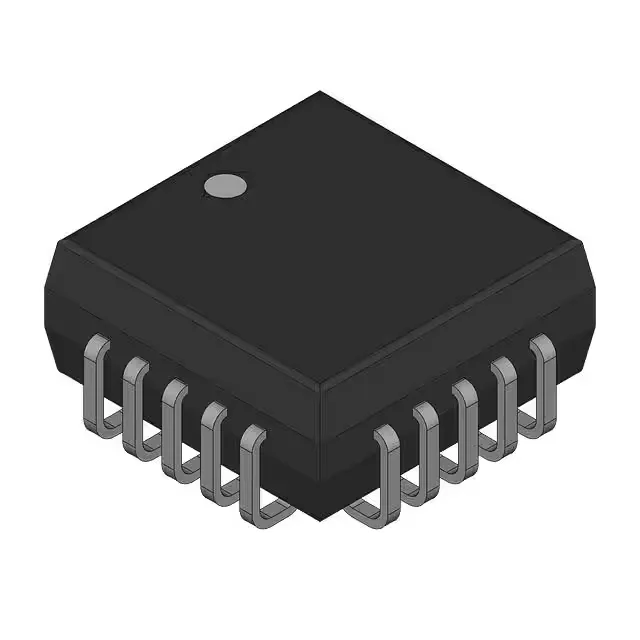
AMD (Xilinx) PAL16R8A4CNL — Discrete Semiconductors

PAL16R8A4CNL AMD PAL Device, 25 ns, 8 Macrocells, 20-PLCC

MPNPAL16R8A4CNL
End of Life

AMD (Xilinx) PAL16R8A4CNL electrically erasable PAL device, 25 ns speed, 8 macrocells, 4.75-5.25 V supply, 20-PLCC J-lead package, Bulk.

$12.0Ref. price · indicative, final on quote
Packaging20-LCC (J-Lead)
RoHSRoHS non-compliant
Independent supplier — new & surplus stockAuthenticity-screened · ESD-safe packingListing updated Aug 2026

Specifications

PAL16R8A4CNL specifications
ParameterValue
MountingSurface Mount
Programmable typePAL
Voltage - input4.75V ~ 5.25V
Speed25 ns
PackageBulk
Case20-LCC (J-Lead)
Number of macrocells8

Product details

25 ns registered PAL for legacy 5 V logic replacement

The PAL16R8A4CNL is an electrically erasable PAL device from AMD (Xilinx) with 8 registered macrocells and a 25 ns propagation delay — the timing budget that governs whether it can replace a slower PAL in an existing board without retiming the clock tree.

20-PLCC J-lead — footprint and reflow considerations

Housed in a 20-lead PLCC with J-bend leads (20-LCC per JEDEC MS-018), the PAL16R8A4CNL sits in a 9×9 mm body — the standard PLCC-20 footprint that mates with a socket or solders directly to the board. The J-lead package has a seated height of roughly 3.5 mm and the leads are coplanar within 0.10 mm for the PLCC family — check the MSL before the reflow profile;.

Active production — sourcing posture

RoHS non-compliant per the current listing — the lead finish on the J-leads is likely tin-lead solder, so verify the board's assembly process if it requires Pb-free reflow.

Frequently asked questions

What is the exact speed grade and package of PAL16R8A4CNL?

The speed grade is 25 ns propagation delay, and the package is a 20-lead PLCC with J-bend leads (20-LCC), 9×9 mm body, supplied in Bulk.

Does PAL16R8A4CNL have a known cross reference to a GAL16V8?

The PAL16R8A4CNL is an electrically erasable PAL with 8 registered macrocells; a GAL16V8 is a different architecture (generic array logic) and the pinout and programming algorithm differ.