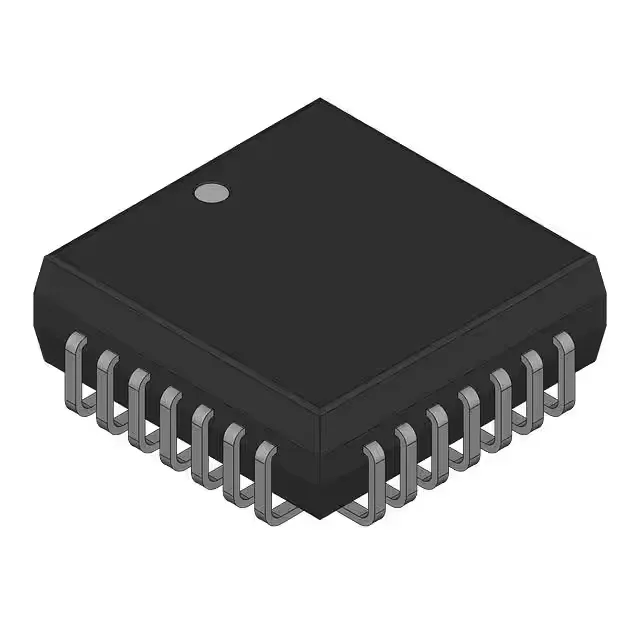
Active UART in a ceramic DIP — what it means for a legacy or high-reliability BOM
Packaged in a 28-pin ceramic DIP (28-CDIP), the N8251A is a through-hole part suited for sockets or wave-solder assembly. The ceramic body handles wider temperature cycling than plastic — a consideration for mil-temp or high-reliability boards where the epoxy DIP would crack over thermal stress. It includes modem control signals (RTS, CTS, DSR, DTR) on dedicated pins, so a full RS-232 handshake interface can be built without external glue logic. Auto flow control and IrDA encoding are not present — this is a straight asynchronous serial port for byte-oriented data.
Supply rail and signal compatibility
The 4.5V–5.5V supply range covers the full 5V ±10% tolerance band. A 5V rail that droops to 4.75V under load still keeps the N8251A in spec; a regulated 5V supply at 5% tolerance (4.75V–5.25V) is well inside the window. The single UART channel handles standard asynchronous data formats — start bit, 5–8 data bits, parity, stop bits — at baud rates up to the device's rated clock input. The modem control pins let the host processor manage the RS-232 handshake state machine without bit-banging GPIOs.
RoHS status and procurement planning
The N8251A is listed as RoHS non-compliant. This means the lead frame and solder balls (or, in a DIP, the lead finish) contain lead — acceptable under many military, aerospace, and industrial exemptions (RoHS Annex III categories 5, 7, and 8), but a blocker for commercial consumer or EU RoHS-mandated builds. Active lifecycle status means the manufacturer continues to produce the part. For a BOM that requires the ceramic DIP package and 5V UART function, this is the direct factory-sourced path — no broker dependency.