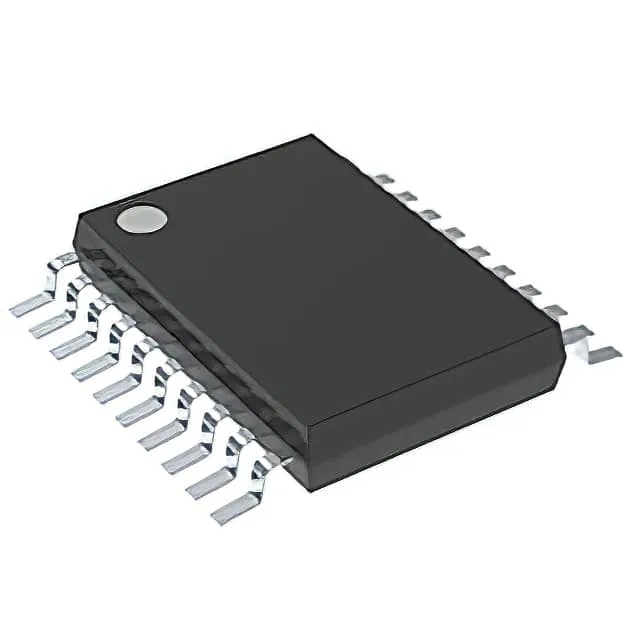
Texas Instruments SN74ALVCH245PW — Logic ICs

SN74ALVCH245PW 8-bit bus transceiver, 1.65V–3.6V, 20-TSSOP

MPNSN74ALVCH245PW
End of Life

Texas Instruments 74ALVCH series SN74ALVCH245PW, Logic Transceiver, Non-Inverting, 3-State, 1.65V to 3.6V supply, 24mA output drive, 20-TSSOP package, -40°C to 85°C.

$1.0Ref. price · indicative, final on quote
Packaging20-TSSOP (0.173", 4.40mm Width)
RoHSROHS3 Compliant
Series74ALVCH
Independent supplier — new & surplus stockAuthenticity-screened · ESD-safe packingListing updated Aug 2026

Specifications

SN74ALVCH245PW specifications
ParameterValue
Series74ALVCH
Logic typeTransceiver, Non-Inverting
Output type3-State
MountingSurface Mount
Voltage1.65V ~ 3.6V
Current - output high, low24mA, 24mA
Operating temperature-40°C ~ 85°C (TA)
PackageTube
Case20-TSSOP (0.173\", 4.40mm Width)
Number of elements1
Number of bits per element8

Product details

What this 245 does on the bus

It buffers data between two bidirectional buses, letting you isolate or combine 8-bit paths under a single direction control (DIR) and an output-enable (OE) pin. The 24mA symmetric drive on both high and low sides means it can fan out to a reasonable number of CMOS or TTL loads on a 3.3V backplane without extra buffers. The 20-pin TSSOP package (4.40mm body width) is a common footprint for this function; it sits on standard 0.65mm pitch and is straightforward to route on a two-layer board.

Supply voltage and 5V tolerance

The SN74ALVCH245PW operates from 1.65V to 3.6V — it is not a 5V part. If you need to interface with a 5V legacy bus, you will need an external level translator or a different transceiver rated for 5V supply. The 74ALVCH family is designed for low-voltage, high-speed buses; feeding it 5V exceeds the absolute maximum and will damage the device.

For BOM planning, there is no near-term obsolescence risk to flag.

Frequently asked questions

Can SN74ALVCH245PW be used for level shifting?

Yes. With a supply range from 1.65V to 3.6V, you can run the device at 1.8V on one side and 3.3V on the other to translate between those logic levels. Just connect each VCC pin to its respective rail and control the direction with the DIR pin.

What is the difference between SN74ALVCH245PW and SN74LVC245ADBR?

Both are 8-bit non-inverting transceivers in the 245 function, but they belong to different logic families. The 74ALVCH family is optimized for lower voltage operation (1.65V to 3.6V) and higher speed, while the 74LVC family covers a wider supply range (typically 1.65V to 5.5V) and is more common in 5V-tolerant designs. The package and pinout may differ — verify the footprint against your board layout before substituting.