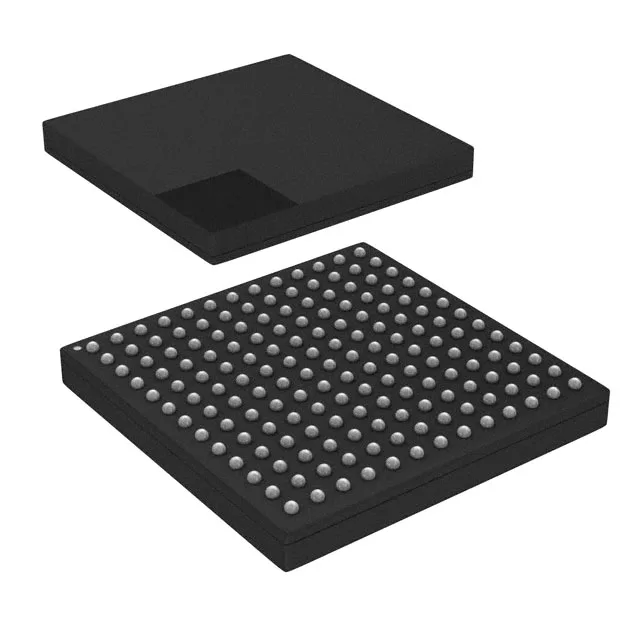
NXP Semiconductors MK26FN2M0VMI18 — Microcontrollers & Processors (MCU / MPU / DSP)

NXP MK26FN2M0VMI18 Kinetis K20 MCU, 180 MHz ARM Cortex-M4

MPNMK26FN2M0VMI18
End of Life

NXP Kinetis K20 series, ARM Cortex-M4, 32-Bit, 180MHz, 2MB (2M x 8) FLASH, 256K x 8 RAM, 116 I/O, 1.71V ~ 3.6V, -40°C ~ 105°C, 169-LFBGA, Surface Mount.

$25.42Ref. price · indicative, final on quote
Packaging169-LFBGA
RoHSROHS3 Compliant
SeriesKinetis K20
Independent supplier — new & surplus stockAuthenticity-screened · ESD-safe packingListing updated Aug 2026

Specifications

MK26FN2M0VMI18 specifications
ParameterValue
SeriesKinetis K20
MountingSurface Mount
Oscillator typeInternal
Program memory typeFLASH
Voltage - supply (Vcc (Vdd))1.71V ~ 3.6V
Operating temperature-40°C ~ 105°C (TA)
Speed180MHz
PackageTray
RAM size256K x 8
Core size32-Bit Single-Core
PeripheralsDMA, I2S, LVD, POR, PWM, WDT
ConnectivityCANbus, EBI/EMI, I2C, IrDA, SD, SPI, UART/USART, USB, USB OTG
Number of i (O)116
Core processorARM® Cortex®-M4
Case169-LFBGA
Data convertersA/D 5x12b, 6x16b; D/A 2x12b
Program memory size2MB (2M x 8)

Product details

The NXP MK26FN2M0VMI18 is a Kinetis K20-series 32-bit ARM Cortex-M4 MCU clocked at 180 MHz, packing 2 MB of Flash and 256 KB of RAM in a 169-ball MAPBGA package. This is the high-density, high-speed tier of the K20 family — the 2 MB Flash gives you room for a full RTOS, TCP/IP stack, and application code without an external serial Flash, while the 180 MHz core handles real-time control loops or protocol processing with margin.

If your design lives in a conditioned lab or office, this temperature grade is overkill — but it means you can reuse the same BOM across indoor and outdoor variants without requalifying.

NXP lists the MK26FN2M0VMI18 lifecycle stage as current (active).

Memory sizing and peripheral headroom

The 2 MB Flash is organized as 2M x 8 bits — standard for Cortex-M parts with large code bases. The data converter block includes five 12-bit ADCs and six 16-bit ADCs plus two 12-bit DACs, which covers multi-channel analog sensing without an external ADC. The internal oscillator means you can bring up the core without an external crystal, though the USB controller will need a precision clock for full-speed operation.

Frequently asked questions

What development tools support MK26FN2M0VMI18?

Standard ARM Cortex-M4 toolchains work — IAR EWARM, Keil MDK, and GCC (via MCUXpresso SDK from NXP). The SWD debug interface is accessible on the 169-MAPBGA package; NXP's Freedom or Tower boards for the K20 family can serve as a reference platform. The internal oscillator lets you run the core without an external clock during bring-up.