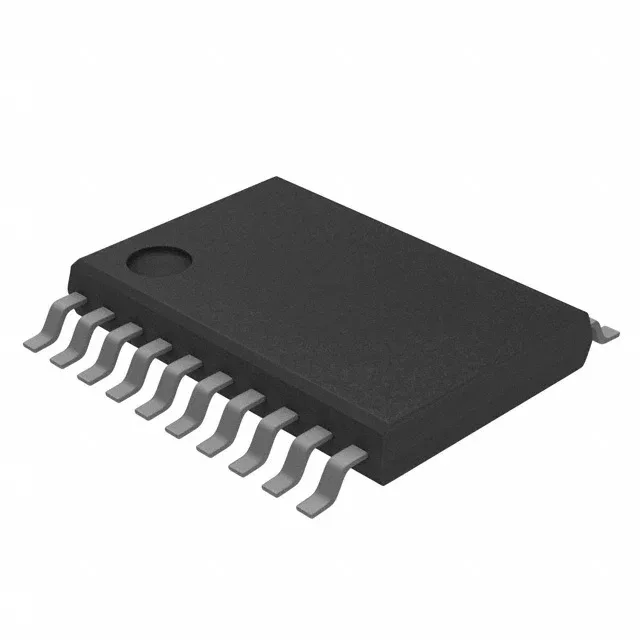
8-bit MCU for cost-sensitive control — 40 MHz, 16 KB Flash, 20-TSSOP
The 20-TSSOP package keeps board area small, and the wide supply range (2.7 V to 5.5 V) lets it sit on a regulated 3.3 V rail or a direct 5 V logic bus without a separate level shifter for the MCU itself. On-chip peripherals include a 12-channel 10-bit ADC, PWM, watchdog timer, and low-voltage detect (LVD) with power-on reset (POR). Connectivity covers I²C, SCI (UART), SPI, and LINbus — enough for a LIN slave node in an automotive body module or a sensor hub in an industrial sensor pod.
The 2.7 V to 5.5 V supply range means this MCU can run directly from a 3.6 V Li-ion cell or a 5 V industrial rail without an external regulator, saving a BOM line. At the low end, 2.7 V is above the typical brownout threshold of a 3.3 V system, so a 3.3 V rail with 5% tolerance (3.135 V min) still holds margin. If the end system sees sustained junction temperatures above 85°C, this part is not the fit — the 85°C ceiling is the absolute operating limit, not a derating target.