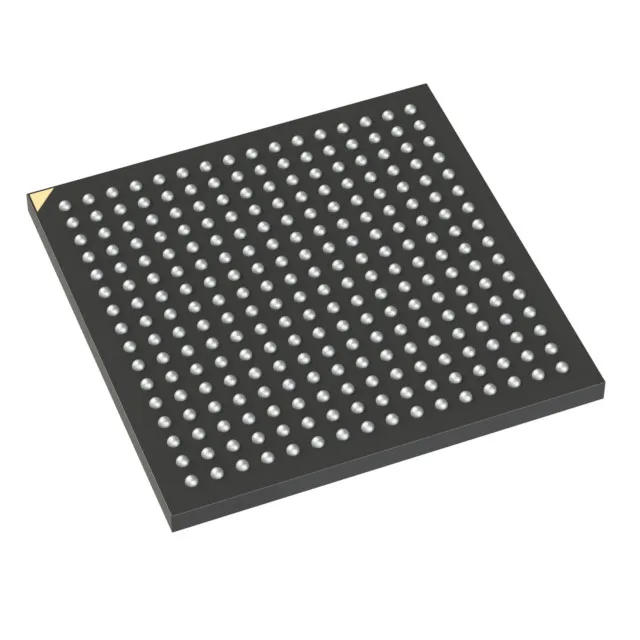
Lattice Semiconductor Corporation LFE5U-25F-6BG256I — FPGA / CPLD & Programmable Logic

Lattice LFE5U-25F-6BG256I ECP5 FPGA, 24K LEs, 197 I/O

MPNLFE5U-25F-6BG256I
Active

Lattice Semiconductor Corporation ECP5 series FPGA, LFE5U-25F-6BG256I, 24000 logic elements, 197 I/O, 1032192 bits block RAM, 256-CABGA (14x14 mm), -40°C to 100°C, Tray.

$21.8500Ref. price · indicative, final on quote
Packaging256-LFBGA
RoHSROHS3 Compliant
SeriesECP5
Independent supplier — new & surplus stockAuthenticity-screened · ESD-safe packingListing updated Aug 2026

Specifications

LFE5U-25F-6BG256I specifications
ParameterValue
SeriesECP5
MountingSurface Mount
Supply voltage1.045V ~ 1.155V
Operating temperature-40°C ~ 100°C (TJ)
PackageTray
Number of i (O)197
Case256-LFBGA
Total RAM bits1032192
Number of LABs (CLBs)6000
Number of logic elements (Cells)24000

Product details

Logic capacity and I/O count — what 24K LEs and 197 I/O mean for a design

The LFE5U-25F-6BG256I is a Lattice ECP5 FPGA with 24000 logic elements arranged across 6000 LABs/CLBs, plus 1032192 total block RAM bits (about 1 Mbit). The 197 user I/O are available on the 256-ball CABGA package — enough for a moderate-density glue-logic or interface design without bumping into the I/O ceiling.

Supply voltage and temperature — the operating envelope

Core supply is 1.045 V to 1.155 V — a tight 110 mV window that demands a well-regulated rail, not a generic 1.2 V LDO.

Package and board-fit — 256-CABGA 14x14 mm

The 256-ball CABGA measures 14x14 mm with a 0.80 mm ball pitch — a standard BGA footprint that routes out on four layers without microvias. The supplier device package is 256-CABGA (14x14), and the mounting is surface-mount only.

Lifecycle and compliance — active production, RoHS3 confirmed

Lattice lists the LFE5U-25F-6BG256I as Active — no NRND flag, no last-time-buy notice.

Frequently asked questions

What is the closest functional second-source for LFE5U-25F-6BG256I?

The LFE5U-25F-8BG256I is the same die in the same 256-CABGA package with the same 197 I/O and 24000 logic elements, but with a faster speed grade (-8 vs -6). It drops into the same board footprint without rewiring — the only difference is the timing closure margin.