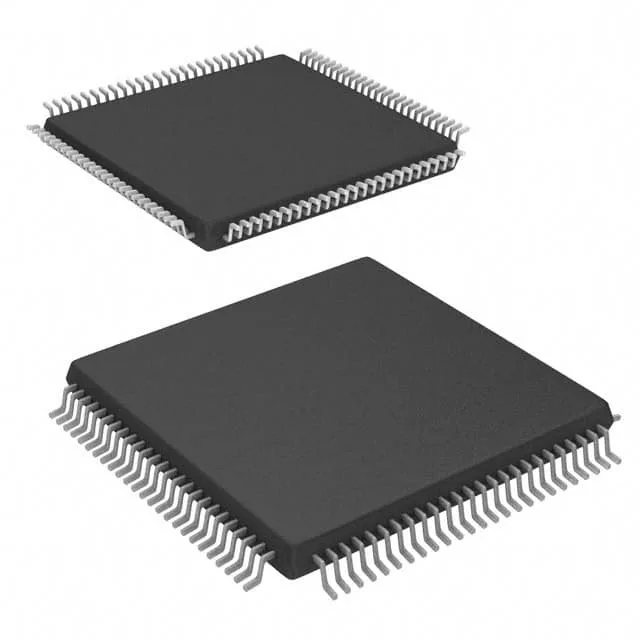
Intel EPM570T100C4N — FPGA / CPLD & Programmable Logic

Intel EPM570T100C4N CPLD, MAX II, 440 Macrocells, 5.4 ns

MPNEPM570T100C4N
Active

Intel MAX® II series CPLD, EPM570T100C4N, 570 logic elements, 440 macrocells, 76 I/O, 5.4 ns tpd(1) max, 100-TQFP (14x14), 2.5V/3.3V internal supply, 0°C to 85°C operating temperature.

$17.5000Ref. price · indicative, final on quote
Independent supplier — new & surplus stockAuthenticity-screened · ESD-safe packingListing updated Aug 2026

Specifications

EPM570T100C4N specifications
ParameterValue
SeriesMAX® II
MountingSurface Mount
Programmable typeIn System Programmable
Voltage supply - internal2.5V, 3.3V
Operating temperature0°C~85°C(TJ)
PackageTray
Number of i (O)76
Case100-TQFP
Number of macrocells440
Delay time tpd(1) max5.4 ns
Number of logic elements (Blocks)570

Product details

The Intel EPM570T100C4N is a CPLD from the MAX II family, built around 570 logic elements organized into 440 macrocells. It gives you 76 user I/O pins in a 100-TQFP package with a 14x14 mm footprint. The part is in-system programmable, so you can reflash it on the board without a separate programmer. Typical deployment is board-level glue logic — address decoding, state machines, bus bridging — where the 5.4 ns propagation delay keeps combinatorial paths within a single clock cycle at moderate speeds.

That covers most factory-floor PLC cabinets, telecom shelters, and office equipment. Not rated for under-hood automotive or extended outdoor exposure without additional thermal management.

Frequently asked questions

How many I/O does EPM570T100C4N have?

The EPM570T100C4N provides 76 user I/O pins.

What voltage does EPM570T100C4N use?

The internal supply voltage range is 2.5V or 3.3V.

What is the difference between EPM570T100C4N and EPM570T100C5N?

The difference is the speed grade: the C4N variant has a 5.4 ns tpd(1) max, while the C5N variant is a slower speed grade (typically 6.5 ns or higher). The C4N is the faster option for timing-critical paths.