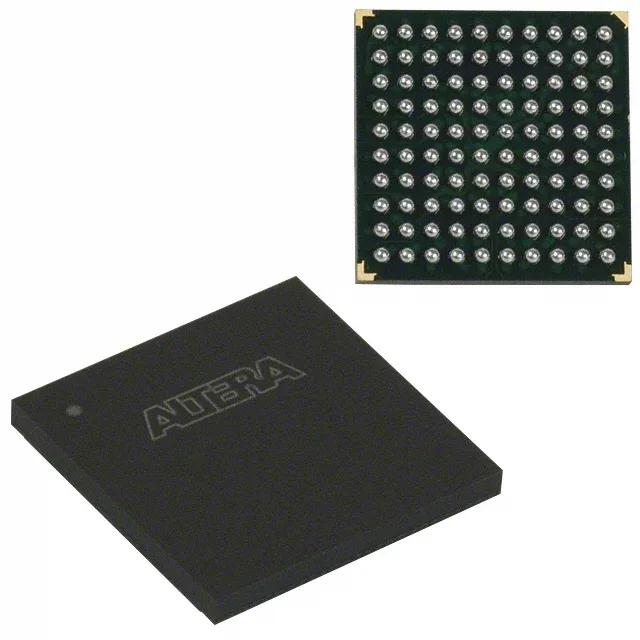
Intel EPM570GF100I5N — FPGA / CPLD & Programmable Logic

Intel EPM570GF100I5N MAX II CPLD, 440 macrocells, 5.4 ns

MPNEPM570GF100I5N
Active

Intel MAX® II CPLD, EPM570GF100I5N, 440 macrocells, 570 logic elements, 76 I/O, 5.4 ns tpd, 1.8 V core, -40 to 100°C, 100-FBGA.

$69.0000Ref. price · indicative, final on quote
Sourced new & surplus through independent channelsAuthenticity-screened · ESD-safe packingListing updated Aug 2026

Specifications

EPM570GF100I5N specifications
ParameterValue
SeriesMAX® II
MountingSurface Mount
Programmable typeIn System Programmable
Voltage supply - internal1.71V ~ 1.89V
Operating temperature-40°C~100°C(TJ)
PackageTray
Number of i (O)76
Case100-LBGA
Number of macrocells440
Delay time tpd(1) max5.4 ns
Number of logic elements (Blocks)570

Product details

440 macrocells, 5.4 ns pin-to-pin — the MAX II sweet spot

The Intel EPM570GF100I5N is a MAX® II family CPLD packing 440 macrocells and 570 logic elements in a 100-ball FBGA (11x11 mm). The 5.4 ns propagation delay (tpd1 max) means glue logic, address decoding, or state-machine control fits within a single clock cycle at common bus speeds — no pipeline stages needed for 100 MHz+ interfaces. 76 user I/O in the 100-LBGA package gives enough headroom for a 16-bit data bus plus control signals, with spare pins for board-level test access or a JTAG chain. The 1.71 V to 1.89 V core supply keeps dynamic power low — a consideration when the CPLD sits on a 1.8 V rail shared with an FPGA or processor.

In-system programmable — no socket, no UV eraser

In-system programmability (ISP) via JTAG means the EPM570GF100I5N can be populated, reflowed, and programmed on the board — no separate programming socket or UV eraser needed. This simplifies prototype spins and field updates: the same BOM position accepts multiple logic revisions without a hardware change.

Frequently asked questions

What is the difference between EPM570GF100I5N and the MAX 7000 peers like EPM7128BFC256-7?

The EPM570GF100I5N is a MAX II device with 440 macrocells, 570 logic elements, a 1.8 V core, and 5.4 ns tpd — roughly 3.5x the logic density and a lower-voltage, lower-power architecture. They are not pin-compatible; a board spin is required to migrate.

Is EPM570GF100I5N RoHS compliant?

The part number suffix 'N' indicates a lead-free, RoHS-compliant finish per Intel's MAX II marking convention.