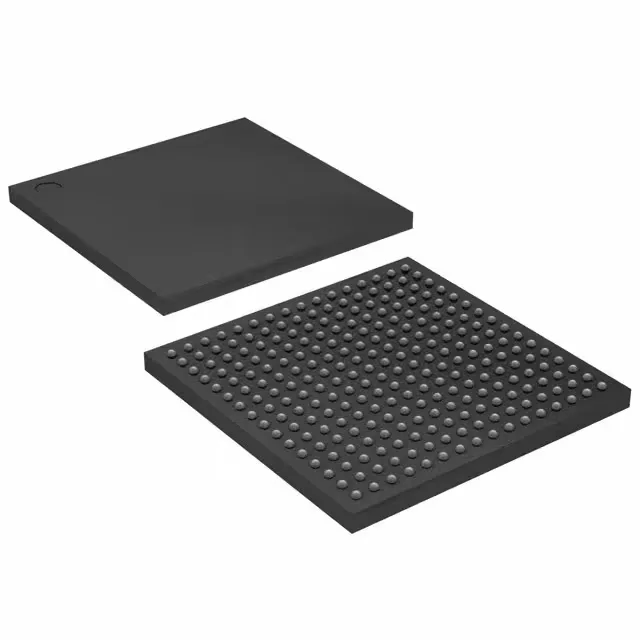
Intel EPM570F256C5 — FPGA / CPLD & Programmable Logic

Intel EPM570F256C5 MAX II CPLD, 440 Macrocells, 5.4 ns

MPNEPM570F256C5
Active

Intel MAX® II CPLD, EPM570F256C5, 440 macrocells, 160 I/O, 5.4 ns pin-to-pin delay, 2.5V/3.3V internal supply, 256-BGA (17x17 mm), 0°C to 85°C, in-system programmable, active.

$69.0000Ref. price · indicative, final on quote
Sourced new & surplus through independent channelsAuthenticity-screened · ESD-safe packingListing updated Aug 2026

Specifications

EPM570F256C5 specifications
ParameterValue
SeriesMAX® II
MountingSurface Mount
Programmable typeIn System Programmable
Voltage supply - internal2.5V, 3.3V
Operating temperature0°C~85°C(TJ)
PackageTray
Number of i (O)160
Case256-BGA
Number of macrocells440
Delay time tpd(1) max5.4 ns
Number of logic elements (Blocks)570

Product details

440-macrocell CPLD for board-level glue logic

The Intel EPM570F256C5 is a MAX® II family CPLD packing 440 macrocells and 570 logic elements in a 256-ball FBGA (17x17 mm). It delivers 160 user I/O with a pin-to-pin propagation delay of 5.4 ns, making it a fit for address decoding, bus bridging, and control logic where a small FPGA would be overkill. In-system programmable via JTAG, so you can rework the logic in-circuit during prototyping or field updates.

That means Intel is still manufacturing it, no last-time-buy window to chase, and no imminent EOL notice to watch. For a storeroom spare or a production BOM line, this part is a safe bet for the next several years. Store the reels dry — the FBGA package is moisture-sensitive, and a dry-bag or cabinet keeps the solder joints reliable.

Sourcing and fit for your BOM

Frequently asked questions

What is the package size of EPM570F256C5?

The EPM570F256C5 comes in a 256-ball FBGA package measuring 17x17 mm, surface-mount.

How many I/O pins does EPM570F256C5 have?

The EPM570F256C5 provides 160 user I/O pins.

What is the difference between EPM570F256C5 and EPM570F256C4?

The EPM570F256C4 is a faster speed grade (shorter tpd) and typically supports a wider temperature range (industrial -40°C to 100°C) compared to the C5's commercial 0°C to 85°C range. Both share the same 256-BGA package and 440-macrocell density.