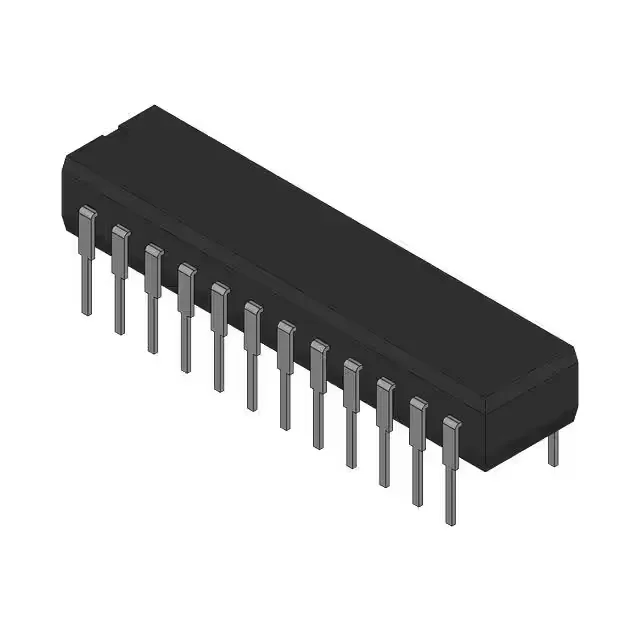
Atmel ATF22V10CZ-12PC — FPGA / CPLD & Programmable Logic

Atmel ATF22V10CZ-12PC CPLD, 12 ns, 10 Macrocells, 24-DIP

MPNATF22V10CZ-12PC
Obsolete

Atmel 22V10 series EE PLD, ATF22V10CZ-12PC, 12 ns propagation delay, 10 macrocells, 5V supply, 24-DIP through-hole package.

$4.1900Ref. price · indicative, final on quote
Independent supplier — new & surplus stockAuthenticity-screened · ESD-safe packingListing updated Jul 2026

Specifications

ATF22V10CZ-12PC specifications
ParameterValue
Series22V10
MountingThrough Hole
Programmable typeEE PLD
Voltage - input5V
Speed12 ns
PackageTube
Case24-DIP (0.300\", 7.62mm)
Number of macrocells10

Product details

12 ns speed, 10 macrocells — where this 22V10 fits

The ATF22V10CZ-12PC is an electrically erasable PLD from Atmel's 22V10 series, offering 10 macrocells with a 12 ns propagation delay. It runs on a single 5V rail — no separate I/O or core voltage — and comes in a 24-pin DIP (0.300" body) for through-hole assembly.

What the 12 ns rating means for your glue logic

The 12 ns propagation delay sets the maximum clock rate for registered logic and the combinatorial path budget. In a 5V system running at 50 MHz, the 12 ns delay leaves about 8 ns of margin after the clock-to-output of the driving flip-flop — enough for a few levels of sum-of-products logic before the next clock edge. If your state machine needs to decode a 16-bit address in one cycle, this part keeps the timing closure manageable. With 10 macrocells, each configurable as registered or combinatorial, the ATF22V10CZ-12PC handles typical address decoding, bus interface logic, and small state machines. The 5V-only I/O means it interfaces directly with legacy 5V TTL/CMOS logic, but level translation is needed when talking to a 3.3V or 1.8V core.

Obsolete — sourcing reality for the ATF22V10CZ-12PC

Atmel has marked the ATF22V10CZ-12PC as obsolete.

Frequently asked questions

What is the closest pin-compatible alternative to the ATF22V10CZ-12PC?

The 22V10 architecture is a standard JEDEC footprint, so many manufacturers (Lattice, Cypress, TI) have offered 22V10-compatible parts, but pin compatibility and programming algorithm differ. Confirm the exact replacement against your existing programmed logic before committing the BOM.

What does the 12 ns speed rating mean for this CPLD?

The 12 ns propagation delay is the time from input pin to registered or combinatorial output. It determines the maximum clock frequency and the combinatorial logic depth you can fit between clock edges. For a 5V system, 12 ns supports clock rates up to about 83 MHz in registered mode, with margin for board-level delays.