25 MHz CMOS clock — what the ratings decide
The ASE2-25.000MHZ-IC-T is a standard CMOS XO — a crystal-based oscillator, not a MEMS or PLL-based synthesizer. At 25 MHz it is the common clock frequency for Ethernet PHY reference, USB full-speed link, CAN/CAN-FD nodes, and a dozen serial protocol stacks. The ±50ppm frequency stability over 0 to 50 °C sits within the timing budget of all of those standards without requiring the premium stability of a TCXO or the temperature range of an industrial-grade part. Pulling it low draws only 10 µA (max) — a microcontroller-driven clock gate on a battery-powered node can park the oscillator between transactions and reclaim the 8 mA active draw, which matters when the node wakes for milliseconds and sleeps for seconds.
2.5 V single-rail supply and the 3.20 × 2.50 mm footprint
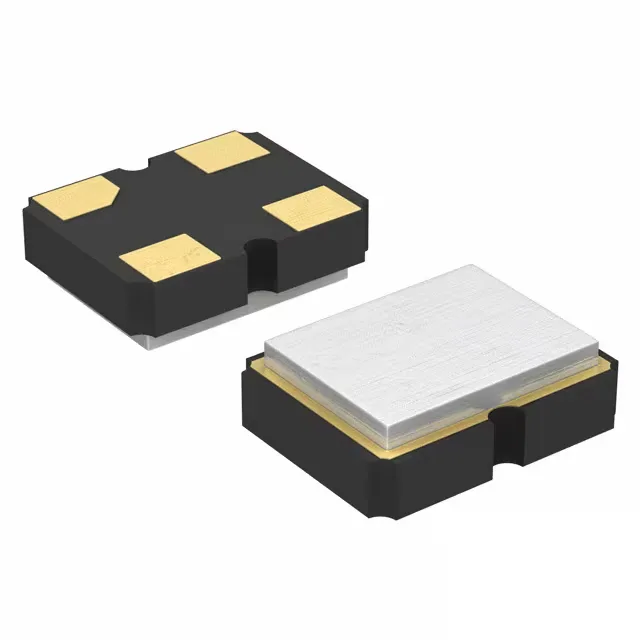
The part runs on a single 2.5 V rail — not a 3.3 V part with relaxed tolerance. Confirm the rail is within spec before committing; a 2.8 V rail is outside the datasheet window. The 4-SMD no-lead package is the standard oscillator land pattern: reflow-solder the three power pins and the output pin, leave OE unasserted or tied to Vdd if clock gating is not used. Standing 1.20 mm tall (max seated height), the part clears low-profile packages and fits under most mezzanine or daughter-card layouts. Supply current is 8 mA max — not a concern for PCB plane budget, but the disable current of 10 µA is the figure to capture when characterizing the dormant state power budget of a sensor node or edge-compute module.
marks this part Active — currently supported for new designs with Abracon LLC. The ASE2 series covers 1 to 200 MHz; any frequency-swap within the family requires a new PN.