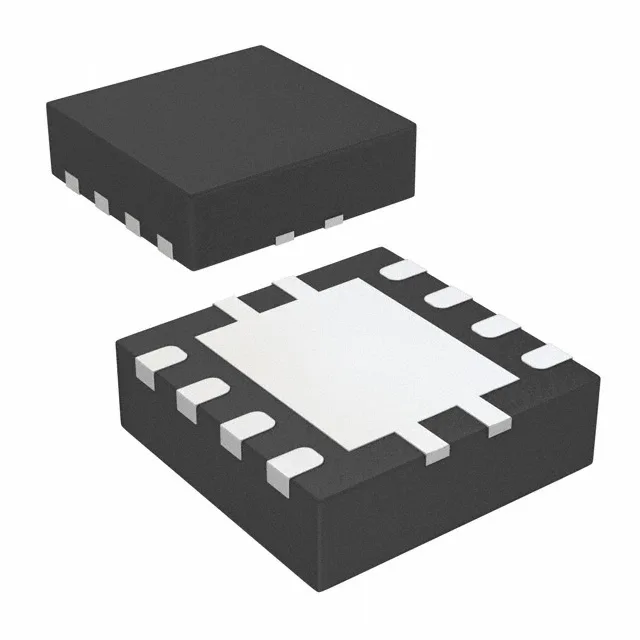
The TPS7A8050DRBT: ROHS3 compliance is confirmed, which covers the EU RoHS exemption update and keeps the part clear of regulatory blockers for European-market equipment.
Dropout and headroom — the real fit constraint
Rated for 1 A continuous output with a fixed 5 V rail, the maximum dropout voltage is 0.5 V at full load. Quiescent current sits at 120 µA typical, which is moderate for a 1 A LDO — not the ultra-low-Iq class for always-on battery gear, but fine for a post-switcher clean-up rail where the load current dominates the power budget.
PSRR profile — where it cleans and where it doesn't
Power supply rejection ratio is specified at 48 dB at 100 Hz, rolling off to 38 dB at 1 MHz. This tells you the regulator attenuates 100 Hz rectifier ripple by a factor of ~250, but above 1 MHz the rejection drops — so a switching converter running at 2 MHz or higher will push noise through unless you add a post-filter LC stage ahead of the LDO.
Protection set — what it saves you from adding externally
Built-in over-current, over-temperature, reverse polarity, and under-voltage lockout (UVLO) protections mean you can omit the external crowbar diode, thermal fuse, and supervisory reset IC in many designs. The reverse polarity protection is particularly useful for battery-powered or field-serviceable equipment where a reversed input is a real risk. The enable pin (Control Features) allows external sequencing or shutdown — pull it low to drop the output and reduce quiescent current to near zero during system sleep.
Package and thermal — the board-level reality
Without that thermal via array, the junction will exceed the absolute maximum long before 1 A is reached.