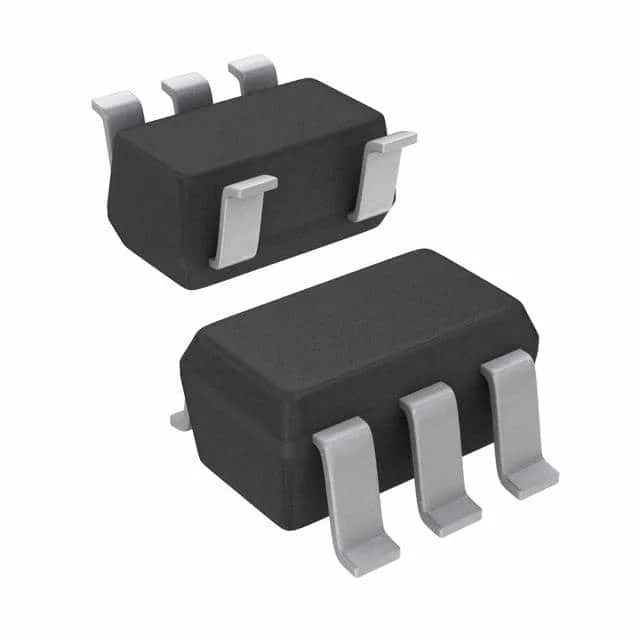
Texas Instruments TPS7A2024PDBVR — Power Management (PMIC / Gate Driver)

TPS7A2024PDBVR LDO 2.4V 300mA SOT-23-5, 65dB PSRR

MPNTPS7A2024PDBVR
End of Life

Texas Instruments TPS7A2024PDBVR LDO voltage regulator, fixed 2.4V output, 300mA, 15µA quiescent current, SOT-23-5 package, active production.

$0.49Ref. price · indicative, final on quote
PackagingSC-74A, SOT-753
RoHSROHS3 Compliant
Sourced new & surplus through independent channelsAuthenticity-screened · ESD-safe packingListing updated Aug 2026

Specifications

TPS7A2024PDBVR specifications
ParameterValue
Output typeFixed
MountingSurface Mount
Voltage - input6V
Voltage dropout0.2V @ 300mA
Voltage - output (Min (Fixed))2.4V
Output current300mA
Current - supply2 mA
Current - quiescent15 µA
Operating temperature-40°C ~ 125°C (TJ)
PSRR65dB ~ 40dB (100Hz ~ 1MHz)
PackageTape & Reel (TR); Cut Tape (CT)
CaseSC-74A, SOT-753
Control featuresEnable
Protection featuresOver Current, Over Temperature, Under Voltage Lockout (UVLO)
Number of regulators1
Output configurationPositive

Product details

65 dB PSRR at 100 Hz — clean rail for noise-sensitive loads

The TPS7A2024PDBVR delivers 65 dB of power-supply rejection at 100 Hz, rolling off to 40 dB at 1 MHz. For an RF or sensor front-end drawing 300 mA, that means a switching regulator's ripple at the fundamental and its harmonics get attenuated by two to four orders of magnitude before reaching the load.

Dropout and quiescent — the battery-system numbers

Maximum dropout is 200 mV at the full 300 mA load, so a 2.6 V input rail holds the 2.4 V output in regulation with 0 V headroom to spare. Quiescent current sits at 15 µA typical — low enough that a 1000 mAh Li-ion cell sees about 0.36 % self-discharge per year from the regulator alone. The enable pin lets the system cut the 2 mA maximum supply current when the downstream circuit is idle, which extends standby time on a battery-powered sensor node.

SOT-23-5 — small footprint, wide second-source base

Housed in the SC-74A / SOT-753 package (commonly called SOT-23-5), the part occupies roughly 3 mm × 3 mm on the board. The five-pin layout is standard across multiple LDO vendors, so a second-source swap requires only a BOM change, not a board spin.

Frequently asked questions

What is TPS7A2024PDBVR's PSRR at 100 Hz?

The PSRR is 65 dB at 100 Hz, rolling to 40 dB at 1 MHz. That covers the switching frequency and harmonics of most DC-DC converters.