Dropout and quiescent — the numbers that matter for battery rails
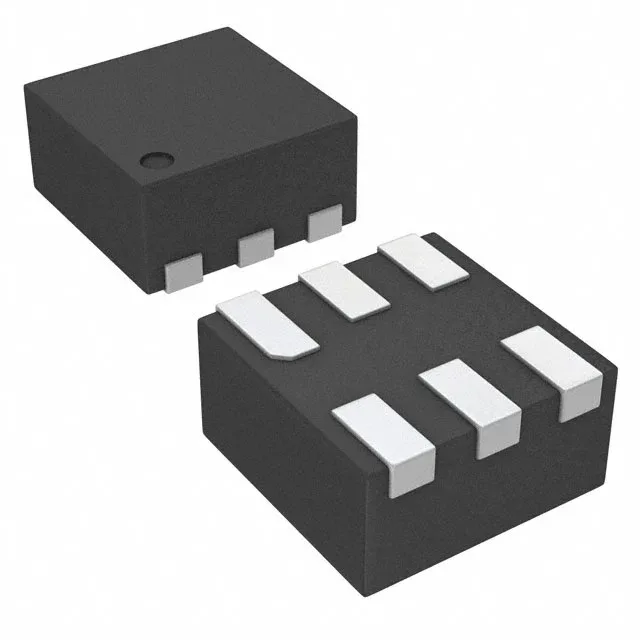
The TPS7A1025PDSER is a 300 mA LDO with a fixed 2.5 V output and a maximum dropout voltage of just 90 mV at full load — meaning the input rail can sit as low as 2.59 V and still deliver a regulated 2.5 V, which is the kind of headroom you need when a lithium cell is near its discharge floor. Quiescent current is 2.6 µA typical, and the maximum supply current is 9 µA — the regulator's own draw is below the self-discharge rate of most coin cells, so it can sit on a sensor node's always-on rail without eating into the battery budget.
PSRR across the frequency band — what the curve tells you
PSRR is specified at 60 dB at 1 kHz, rolling off to 35 dB at 1.5 MHz — the 60 dB figure at audio frequencies means it rejects 100/120 Hz ripple from a mains-derived rectifier well, but above a few hundred kHz the attenuation drops, so if your upstream converter switches at 1 MHz or higher, you will see some of that ripple on the output unless you add a post-filter capacitor with low ESL.
Package, temperature, and protection — field-fit checklist
Operating temperature range is -40 to +125 °C junction, which covers both automotive under-hood and industrial motor-drive environments. Protection features include over-current, over-temperature, and UVLO — the UVLO threshold prevents the output from sourcing current when the input rail is too low to regulate, which avoids brown-out behaviour on the downstream load.