Texas Instruments TPS7A1012PDSET — Power Management (PMIC / Gate Driver)

TPS7A1012PDSET 1.2V LDO, 300mA, 6-WSON, 2.6µA Iq

MPNTPS7A1012PDSET
End of Life

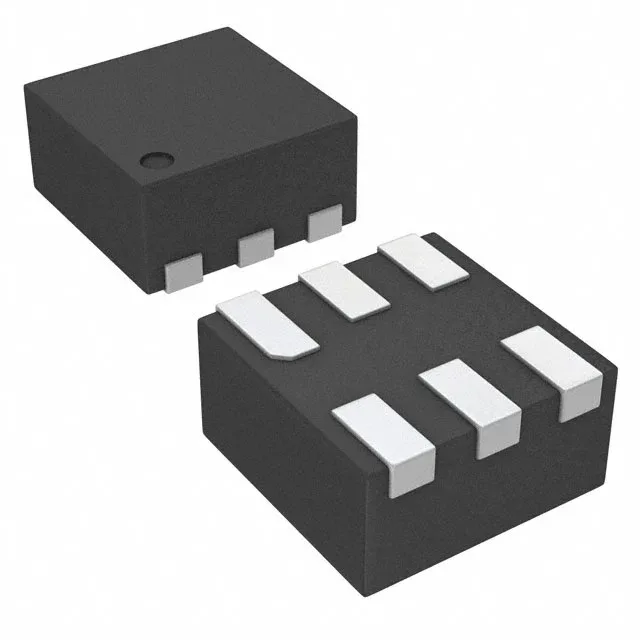
Texas Instruments TPS7A1012PDSET, fixed-output 1.2V LDO, 300mA, 0.09V dropout max, 2.6µA quiescent, PSRR 60dB–35dB (1kHz–1.5MHz), 6-WFDFN/WSON (1.5x1.5mm), -40°C to 125°C junction, enable pin, over-current/over-temp/UVLO protection, ROHS3.

$1.22Ref. price · indicative, final on quote
Packaging6-WFDFN
RoHSROHS3 Compliant
Independent supplier — new & surplus stockAuthenticity-screened · ESD-safe packingListing updated Aug 2026

Specifications

TPS7A1012PDSET specifications
ParameterValue
Output typeFixed
MountingSurface Mount
Voltage - input3.3V
Voltage dropout0.09V @ 300mA
Voltage - output (Min (Fixed))1.2V
Output current300mA
Current - supply9 µA
Current - quiescent2.6 µA
Operating temperature-40°C ~ 125°C (TJ)
PSRR60dB ~ 35dB (1kHz ~ 1.5MHz)
PackageTape & Reel (TR); Cut Tape (CT)
Case6-WFDFN
Control featuresEnable
Protection featuresOver Current, Over Temperature, UVLO
Number of regulators1
Output configurationPositive

Product details

Protection and control — what the enable pin and fault flags mean for your BOM

This single-output positive LDO includes an enable pin for sequenced power-up or shutdown. Protection features — over-current, over-temperature, and undervoltage lockout (UVLO) — are built in, so no external supervisor is needed for basic rail monitoring.

Sourcing and lifecycle — active, no LTB watch needed

For BOM freeze or PCN-sensitive projects, this part carries no imminent lifecycle risk.

Frequently asked questions

What is the closest pin-compatible alternative to TPS7A1012PDSET in this family?

This is a fixed-output variant of the TPS7A10 series. Other fixed-voltage options (e.g., 0.8V, 1.8V, 3.3V) share the same 6-WSON footprint and pinout, so a voltage change within the family is a direct drop-in if the load and input rail permit.

What is TPS7A1012PDSET's PSRR?

PSRR is 60dB at 1kHz and 35dB at 1.5MHz. It provides strong low-frequency ripple rejection but less attenuation at switching-regulator frequencies — plan input filtering if the supply has high-frequency ripple above 1MHz.