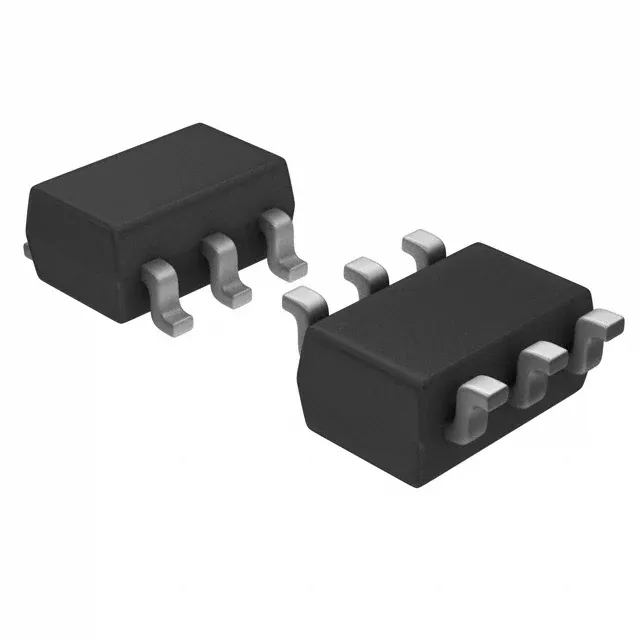
Texas Instruments TPS3779ADBVT — Power Management (PMIC / Gate Driver)

TI TPS3779ADBVT Multi-Voltage Supervisor, SOT-23-6

MPNTPS3779ADBVT
Active

Texas Instruments TPS3779ADBVT, Multi-Voltage Supervisor, Reset Active Low, Push-Pull Output, 2 monitored voltages, Adjustable/Selectable Threshold, SOT-23-6, -40°C to 125°C.

$2.2500Ref. price · indicative, final on quote
Independent supplier — new & surplus stockAuthenticity-screened · ESD-safe packingListing updated Jul 2026

Specifications

TPS3779ADBVT specifications
ParameterValue
TypeMulti-Voltage Supervisor
MountingSurface Mount
Voltage - thresholdAdjustable/Selectable
Number of voltages monitored2
Operating temperature-40°C ~ 125°C (TJ)
ResetActive Low
OutputPush-Pull, Totem Pole
PackageTape & Reel (TR) Cut Tape (CT)
CaseSOT-23-6

Product details

Two voltages, one small package

The TPS3779ADBVT is a dual-voltage supervisor from Texas Instruments that monitors two independent supply rails and asserts a single active-low reset when either falls below its threshold. The thresholds are adjustable via external resistor dividers, so the same part can handle mixed-voltage systems — say 3.3 V and 1.8 V, or 5 V and 2.5 V — without needing a different supervisor for each rail.

What the 125°C rating means for your board

For most applications the output is lightly loaded (driving a CMOS reset input), so self-heating is negligible and the full 125°C ambient is usable.

Frequently asked questions

Can TPS3779ADBVT monitor two voltages independently?

Yes — it monitors two separate voltage rails and asserts the reset output if either falls below its programmed threshold. The thresholds are set independently with external resistor dividers, so the two channels can have different trip points.

Is TPS3779ADBVT obsolete or end-of-life?

It remains in normal production and is suitable for new designs.

What is the reset output type of TPS3779ADBVT?

The reset output is active-low, push-pull (totem pole). It does not require an external pull-up resistor, and it drives a logic low when a monitored voltage is out of tolerance.