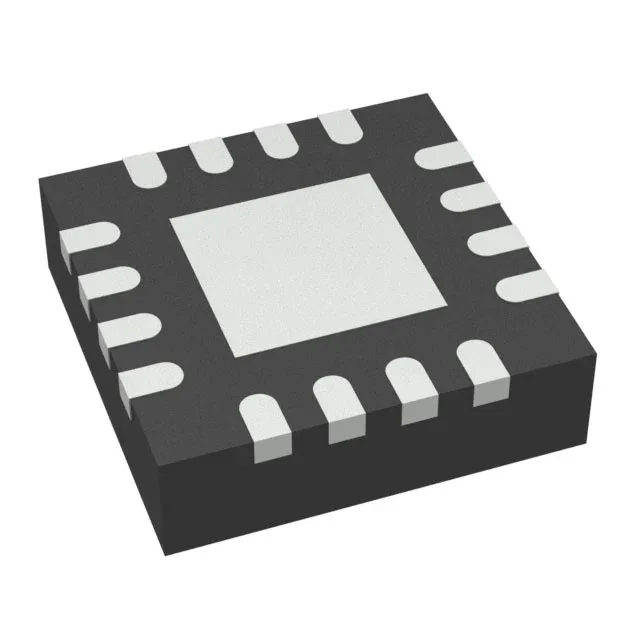
Texas Instruments TPS2541RTER — Power Management (PMIC / Gate Driver)

TPS2541RTER USB Power Switch, 73 mOhm, 2.5 A, 16-WQFN

MPNTPS2541RTER
Active

Texas Instruments TPS2541RTER USB power switch, high-side, N-channel, 1 output, 73 mOhm typical Rds(on), 2.5 A max, 4.5 V to 5.5 V load supply, 16-WQFN (3x3 mm), -40°C to 125°C.

$0.9030Ref. price · indicative, final on quote
Independent supplier — new & surplus stockAuthenticity-screened · ESD-safe packingListing updated Jul 2026

Specifications

TPS2541RTER specifications
ParameterValue
Input typeNon-Inverting
Output typeN-Channel
TypeUSB Switch
MountingSurface Mount
Voltage - load4.5V ~ 5.5V
Voltage - supply (Vcc (Vdd))Not Required
Output current2.5A
I/O channels1
InterfaceOn/Off
Operating temperature-40°C~125°C(TJ)
PackageTape & Reel (TR); Cut Tape (CT)
FeaturesLoad Discharge, Status Flag
Rds on73mOhm
Case16-WFQFN Exposed Pad
Fault protectionCurrent Limiting (Adjustable), Over Temperature, UVLO
Output configurationHigh Side
Ratio - Input:Output1:1

Product details

73 mOhm on-resistance — the thermal budget anchor

The TPS2541RTER is a single-channel, high-side USB power switch from Texas Instruments. Its 73 mOhm typical Rds(on) sets the voltage drop and self-heating at the 2.5 A maximum continuous output — at full load the drop is roughly 180 mV, and the I²R loss is about 0.46 W.

USB VBUS voltage range with adjustable current limit

No separate Vcc/Vdd bias is required — the switch is self-powered from the load rail. The current limit is adjustable via an external resistor, which lets you set the trip point anywhere below the 2.5 A maximum. Fault protection includes overtemperature shutdown and undervoltage lockout (UVLO) that prevents the switch from turning on until the input is stable.

The status flag output (open-drain, active low) signals fault conditions like overcurrent or overtemperature to the host controller.

Frequently asked questions

What is the typical Rds(on) for TPS2541RTER?

The typical on-resistance is 73 mOhm. At 2.5 A output this produces roughly 180 mV drop and 0.46 W of self-heating.