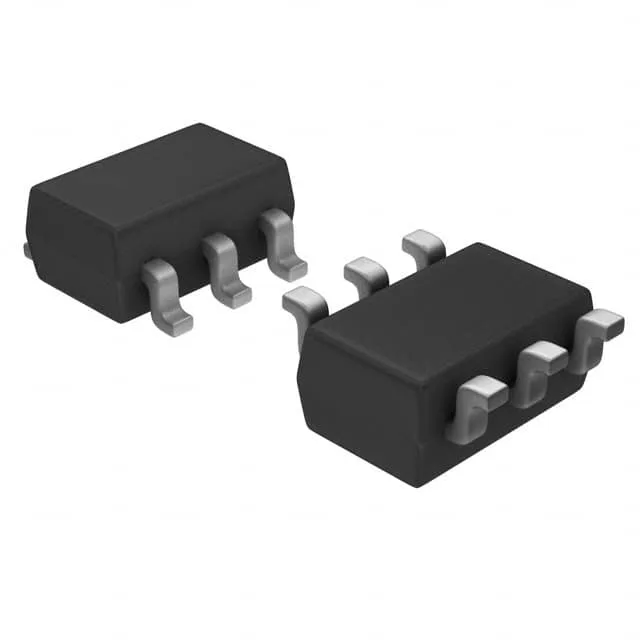
Texas Instruments TPS2514AQDBVTQ1 — Power Management (PMIC / Gate Driver)

TPS2514AQDBVTQ1 USB DCP Controller, AEC-Q100, SOT-23-6

MPNTPS2514AQDBVTQ1
Active

Texas Instruments TPS2514AQDBVTQ1, USB Dedicated Charging Port Controller and Power Switch, Automotive AEC-Q100 Qualified, 4.5V~5.5V Supply, 155µA Supply Current, -40°C~125°C, SOT-23-6 Package.

$1.2400Ref. price · indicative, final on quote
Independent supplier — new & surplus stockAuthenticity-screened · ESD-safe packingListing updated Jul 2026

Specifications

TPS2514AQDBVTQ1 specifications
ParameterValue
SeriesAutomotive, AEC-Q100
MountingSurface Mount
Supply voltage4.5V ~ 5.5V
Current - supply155µA
Operating temperature-40°C~125°C
PackageTape & Reel (TR); Cut Tape (CT)
ApplicationsUSB Dedicated Charging Port (DCP), Power Switch
CaseSOT-23-6

Product details

USB charging port controller for automotive 5V rails

The TPS2514AQDBVTQ1: It sits on a 5V supply rail (4.5V to 5.5V) and draws only 155µA quiescent current, making it suitable for always-on charging ports in vehicles where battery drain matters.

Automotive temperature grade and package

The SOT-23-6 package keeps the footprint small — six pins handle the supply, output, enable, and status lines, which is enough for a dedicated charger port but leaves no room for extra features like current monitoring.

Frequently asked questions

Is TPS2514AQDBVTQ1 automotive qualified?

Yes, it is listed under the Automotive, AEC-Q100 series, meaning it is qualified for automotive-grade applications including under-hood and cabin environments.

What is TPS2514AQDBVTQ1 used for?

It is a USB dedicated charging port (DCP) controller and power switch, designed to negotiate charging protocols on USB ports in automotive and industrial systems.

Is TPS2514AQDBVTQ1 suitable for USB Type-C applications?

This part is a USB DCP controller for legacy USB (Type-A) charging ports. It does not implement the USB Type-C configuration channel (CC) logic required for Type-C negotiation. For Type-C applications, a dedicated Type-C port controller is needed.